I hope you enjoy reading this blog post.

If you want my team to just do your marketing for you, click here.


Preschool Layout Ideas for Different Learning Areas: Using Zones Effectively

Preschool Layout Ideas for Different Learning Areas - Using Zones Effectively

Preschool layout ideas can significantly influence the learning experience, with thoughtful zone organization being key. Designing distinct learning zones can boost focus, creativity, and social interaction, whether it’s a quiet reading nook or an engaging art area.

Effective layouts are not just about maximizing space—they’re about creating environments that inspire young minds and support various activities. By using specific zones, you can foster an engaging, adaptable environment that meets the developmental needs of children while promoting a balanced, structured learning day.

Importance of a Well-Thought-Out Preschool Layout Design
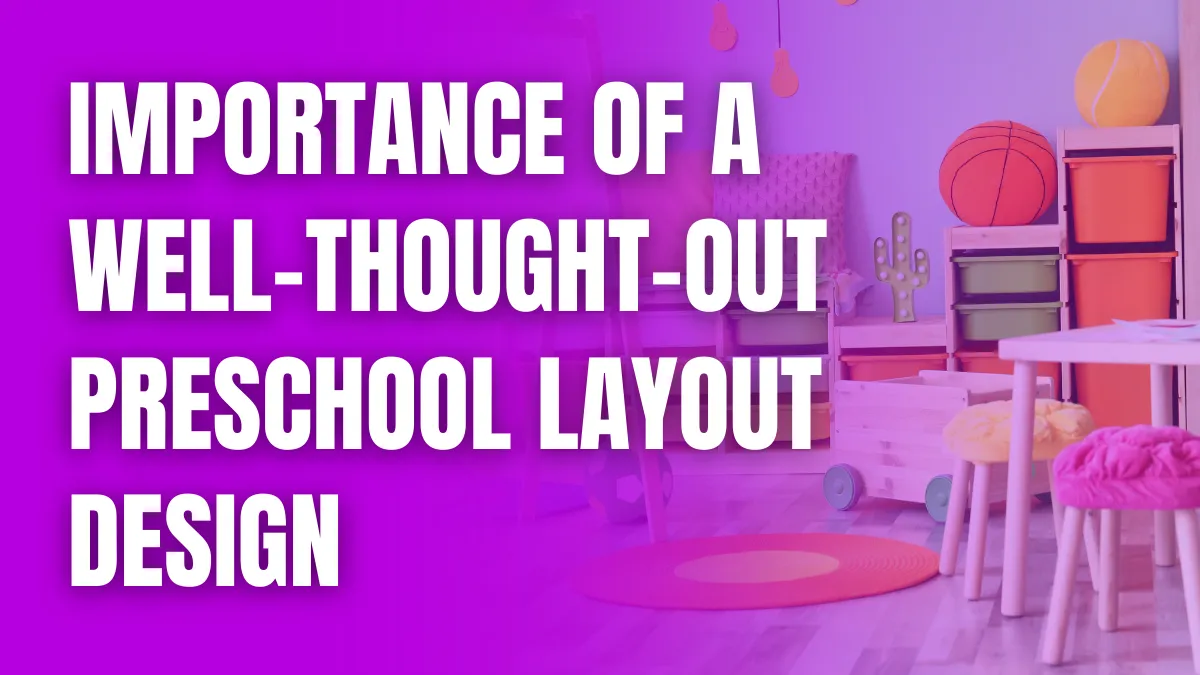
Importance of a Well Thought Out Preschool Layout Design

A well-thought-out preschool layout design is vital in creating a conducive learning environment for young children. Educators can optimize how children interact with their surroundings by organizing the classroom into specific, purposeful zones. This strategic use of space enhances the children’s learning experience and safety, independence, and social skills.

Enhances Focus and Learning

Organizing the classroom into clearly defined areas helps children understand the purpose of each space.

  • Designated learning zones like reading corners or play areas reduce distractions.

  • Purposeful arrangement fosters better engagement with tasks.

A successful playground layout incorporates distinct zones that promote different types of play: 

Supports Independence and Social Skills

A well-designed layout encourages self-reliance and teamwork.

  • Easily accessible materials enable children to engage in self-directed learning.

  • Collaborative spaces promote interaction, fostering teamwork and communication.

The layout supports key developmental milestones by creating spaces where children can explore independently and work with peers.

Promotes Safety and Movement

Safety is a leading priority in any preschool setting, and a thoughtful layout reduces risks.

  • Clear pathways help children move freely between zones without overcrowding.  

  • Open spaces for physical activity ensure safe play and movement.

When children have room to explore and transition smoothly, the environment becomes safer and more conducive to active learning.

Maximizes Space for Creativity

Maximizing limited classroom space is essential in a busy preschool environment.

  • Vertical storage keeps materials organized while saving floor space.

  • Multi-purpose furniture provides flexibility for various activities.

This approach ensures that children have plenty of room to engage in creative play and exploration without feeling restricted by space limitations.

Encourages Flexibility in Learning

A dynamic layout allows for adaptability in teaching methods.

  • Moveable furniture enables teachers to modify the space for different activities.Vertical storage keeps materials organized while saving floor space.

  • Flexible zones can transition from quiet reading areas to interactive group spaces.

This flexibility helps educators tailor the learning environment to the class’s needs, fostering a more personalized learning experience.

Creating an Engaging Preschool Floor Plan Design
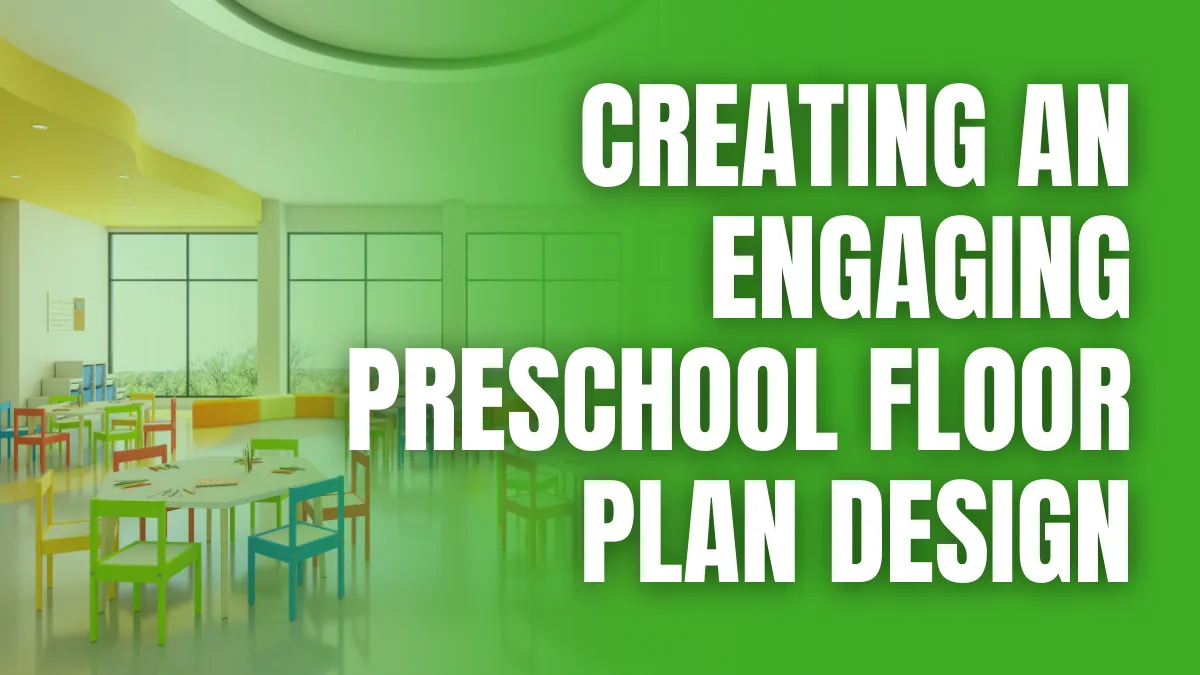
Creating an Engaging Preschool Floor Plan Design

An engaging preschool floor plan design is essential for fostering learning and creativity in young children. By arranging the classroom strategically, you can create an environment that supports active engagement and exploration. The key to designing an effective floor plan is balancing the need for structure and freedom while ensuring every zone has a clear purpose.

Prioritizing Traffic Flow

Smooth movement throughout the classroom is critical to preventing overcrowding and accidents.

  • Wide, clear walkways: Allow children to transition easily between zones.

  • Defined entry and exit points: These help control traffic during arrival, dismissal, and transitions.  

Adequate traffic flow helps maintain a calm environment, allowing children to move from one activity to another without unnecessary disruption.

Zoning the Classroom for Different Activities

Creating distinct areas for various activities supports a balanced learning experience.

  • Quiet areas for reading or reflection: These zones allow for focused learning and relaxation.

  • Active play areas: These spaces encourage physical movement and creativity.

  • Art and creative spaces: Areas where children can express their imagination through hands-on activities.

Each zone should be tailored to the children’s needs, offering active, quiet, and creative learning opportunities.

Balancing Flexibility and Structure

Flexibility in the preschool floor plan design allows educators to adjust the environment based on daily activities.

  • Modular furniture: Movable tables and chairs let teachers reconfigure spaces as needed.

  • Open-ended spaces: These areas can serve multiple purposes, from group activities to individual play.

  • Art and creative spaces: Areas where children can express their imagination through hands-on activities.

A balance of flexibility and structure ensures the classroom can adapt to various learning experiences while maintaining order.

Utilizing Natural Light and Outdoor Space

Incorporating natural elements into the classroom enhances the learning atmosphere.

  • Large windows for natural light: Light-filled classrooms improve focus and mood.

  • Access to outdoor areas: Outdoor play spaces can extend the learning environment, promoting physical activity and connection with nature.

Integrating outdoor access and natural light can make the space feel more welcoming and energizing for children.

Maximizing Space for Practicality

A well-planned floor plan maximizes available space for both storage and learning activities.

  • Vertical storage: Keeps materials organized while saving floor space.

  • Designated storage areas: Easily accessible for both teachers and children.

By ensuring that the classroom remains clutter-free, you create a more efficient and comfortable learning environment.

Optimizing Your Preschool Room Layout for Learning
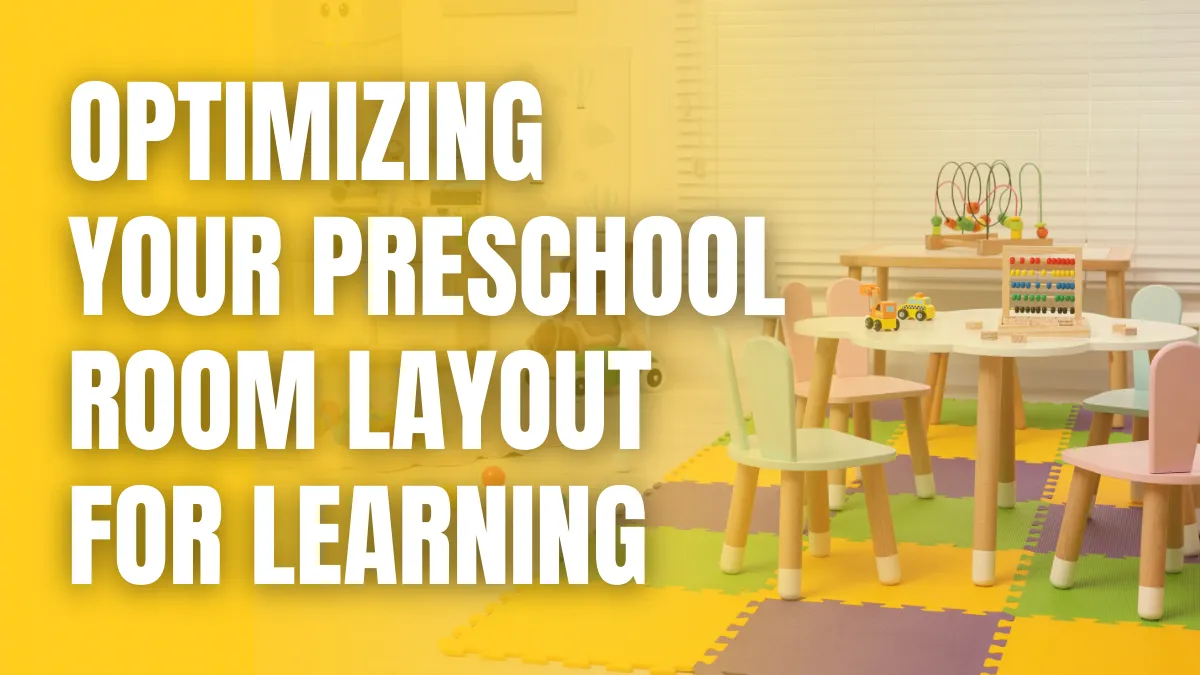
Optimizing Your Preschool Room Layout for Learning

Optimizing your preschool room layout for learning is all about creating an environment that supports diverse activities while ensuring comfort and engagement for every child. By carefully designing the space with learning objectives, you can maximize your classroom’s efficiency and effectiveness.

Creating Functional Learning Zones

Each classroom area should be tailored to specific activities that promote various developmental skills.

  • Reading corner: A quiet, cozy space with books for literacy development.

  • Art station: A creative space where children can explore materials and express themselves.

  • Play zone: A dedicated area for hands-on learning and social interaction.

Clearly defining these zones lets children know where to go for different activities, making transitions smoother and more purposeful.

Ensuring Comfort and Accessibility

Comfort and accessibility are vital in making children feel at ease in their learning environment.

  • Child-sized furniture: Allows children to sit comfortably and access materials without help.

  • Easily accessible storage: Ensures children can retrieve and put away supplies independently.

Promoting Movement and Exploration

Children need the freedom to explore their environment while also understanding its boundaries.

  • Labeled storage: Use pictures or color-coded labels to show where items belong.

  • Clear zone markers: Use rugs, signs, or shelving to define different activity zones.

Allowing children to move freely encourages exploration and physical development while maintaining structure.

Incorporating Visual Cues

Visual cues help children navigate the classroom independently, making the space more intuitive.

  • Labeled storage: Use pictures or color-coded labels to show where items belong.

  • Clear zone markers: Use rugs, signs, or shelving to define different activity zones.

These small details help children understand the layout and engage in activities with minimal adult intervention.

Making the Most of Natural Light and Ventilation

A well-lit, airy classroom positively affects children’s mood and focus.

  • Maximize natural light: Place desks and activity areas near windows to maximize daylight.

  • Ensure good ventilation: Fresh airflow keeps the space comfortable and healthy for learning.

A bright, fresh environment makes the room more inviting and energizing, helping to maintain focus throughout the day.

Sensory and Quiet Zones: A Space for Focus and Calm

Sensory and Quiet Zones in a preschool classroom provide children with spaces to focus, reflect, and recharge. These areas promote calm and concentration, offering a break from the room's more active and social zones.

The Role of Sensory Zones

Sensory zones are areas where children can engage with materials that stimulate their senses in a calming way.

  • Tactile activities: Items like sand, clay, or sensory bins allow hands-on exploration.

  • Soothing textures: Soft cushions, rugs, or fabric walls create a comforting atmosphere.

These spaces help children develop fine motor skills while also promoting emotional regulation.

Creating Quiet Spaces for Reflection

Quiet zones allow children to retreat from the busier parts of the classroom, allowing them to focus or relax.

  • Comfortable seating: Bean bags, soft chairs, or floor cushions offer a cozy place to sit.

  • Low lighting: Dimmed lighting or soft lamps can create a peaceful environment for reflection.

These zones are perfect for reading, resting, or simply taking a moment to recharge.

Encouraging Focus and Self-Regulation

Sensory and quiet zones support children in developing self-regulation, helping them manage their emotions and behaviors.

  • Visual timers: These can help children understand how much time they have for quiet reflection.

  • Simple activities: Puzzles, calming coloring pages, or soft blocks encourage quiet focus without overstimulation.

These tools allow children to engage in focused activities while gaining control over their environment.

Designing for Sensory Sensitivities

Some children may be more sensitive to certain stimuli, so these zones must be adaptable.

  • Noise-canceling headphones: Provide relief from loud classroom sounds.

  • Weighted blankets or lap pads: Offer soothing sensory input for children who need extra comfort.

Designing these zones flexibly ensures that all children can benefit, regardless of their sensory needs.

Conclusion

Designing an engaging and functional preschool layout is critical to fostering creativity, independence, and learning. From clearly defined zones to flexible floor plans, each element works together to develop an environment where children can thrive. Sensory and quiet zones balance focus and calm, while active spaces inspire movement and exploration. By optimizing your preschool layout, you’re setting the stage for successful learning experiences.

Ready to transform your preschool space? Contact us at No Joke Childcare today at No Joke Childcare or call (706) 899-3707!

Do you want
more traffic?

Stop wasting money and unlock the hidden potential of your advertising.

Are you using Google Ads

Try our new free ads grader?

Boost your childcare center's ROI with Michael Tasner, Founder of No Joke Childcare. With his extensive experience and expertise in childcare marketing, Michael Tasner offers innovative strategies tailored to the unique needs of your center. From web 3.0 marketing to social media strategies, he'll guide you to achieve maximum visibility and generate quality leads. Don't miss out on this opportunity to supercharge your marketing efforts and position your center for success.

About Michael Tasner

Hey, I'm Michael Tasner. I'm determined to make your childcare center grow. My only question is, will it be yours?

Categories
Preschool Layout Ideas for Different Learning Areas - Using Zones Effectively
Published On: 10/28/20247.6 min readViews: 1188

Preschool layout ideas can significantly influence the learning experience, with thoughtful zone organization being key. Designing distinct learning zones can boost focus, creativity, and social interaction, whether it’s a quiet reading nook or an engaging art area.

Effective layouts are not just about maximizing space—they’re about creating environments that inspire young minds and support various activities. By using specific zones, you can foster an engaging, adaptable environment that meets the developmental needs of children while promoting a balanced, structured learning day.

Importance of a Well-Thought-Out Preschool Layout Design

Importance of a Well Thought Out Preschool Layout Design

A well-thought-out preschool layout design is vital in creating a conducive learning environment for young children. Educators can optimize how children interact with their surroundings by organizing the classroom into specific, purposeful zones. This strategic use of space enhances the children’s learning experience and safety, independence, and social skills.

Enhances Focus and Learning

Organizing the classroom into clearly defined areas helps children understand the purpose of each space.

  • Designated learning zones like reading corners or play areas reduce distractions.

  • Purposeful arrangement fosters better engagement with tasks.

A successful playground layout incorporates distinct zones that promote different types of play: 

Supports Independence and Social Skills

A well-designed layout encourages self-reliance and teamwork.

  • Easily accessible materials enable children to engage in self-directed learning.

  • Collaborative spaces promote interaction, fostering teamwork and communication.

The layout supports key developmental milestones by creating spaces where children can explore independently and work with peers.

Promotes Safety and Movement

Safety is a leading priority in any preschool setting, and a thoughtful layout reduces risks.

  • Clear pathways help children move freely between zones without overcrowding.  

  • Open spaces for physical activity ensure safe play and movement.

When children have room to explore and transition smoothly, the environment becomes safer and more conducive to active learning.

Maximizes Space for Creativity

Maximizing limited classroom space is essential in a busy preschool environment.

  • Vertical storage keeps materials organized while saving floor space.

  • Multi-purpose furniture provides flexibility for various activities.

This approach ensures that children have plenty of room to engage in creative play and exploration without feeling restricted by space limitations.

Encourages Flexibility in Learning

A dynamic layout allows for adaptability in teaching methods.

  • Moveable furniture enables teachers to modify the space for different activities.Vertical storage keeps materials organized while saving floor space.

  • Flexible zones can transition from quiet reading areas to interactive group spaces.

This flexibility helps educators tailor the learning environment to the class’s needs, fostering a more personalized learning experience.

Creating an Engaging Preschool Floor Plan Design

Creating an Engaging Preschool Floor Plan Design

An engaging preschool floor plan design is essential for fostering learning and creativity in young children. By arranging the classroom strategically, you can create an environment that supports active engagement and exploration. The key to designing an effective floor plan is balancing the need for structure and freedom while ensuring every zone has a clear purpose.

Prioritizing Traffic Flow

Smooth movement throughout the classroom is critical to preventing overcrowding and accidents.

  • Wide, clear walkways: Allow children to transition easily between zones.

  • Defined entry and exit points: These help control traffic during arrival, dismissal, and transitions.  

Adequate traffic flow helps maintain a calm environment, allowing children to move from one activity to another without unnecessary disruption.

Zoning the Classroom for Different Activities

Creating distinct areas for various activities supports a balanced learning experience.

  • Quiet areas for reading or reflection: These zones allow for focused learning and relaxation.

  • Active play areas: These spaces encourage physical movement and creativity.

  • Art and creative spaces: Areas where children can express their imagination through hands-on activities.

Each zone should be tailored to the children’s needs, offering active, quiet, and creative learning opportunities.

Balancing Flexibility and Structure

Flexibility in the preschool floor plan design allows educators to adjust the environment based on daily activities.

  • Modular furniture: Movable tables and chairs let teachers reconfigure spaces as needed.

  • Open-ended spaces: These areas can serve multiple purposes, from group activities to individual play.

  • Art and creative spaces: Areas where children can express their imagination through hands-on activities.

A balance of flexibility and structure ensures the classroom can adapt to various learning experiences while maintaining order.

Utilizing Natural Light and Outdoor Space

Incorporating natural elements into the classroom enhances the learning atmosphere.

  • Large windows for natural light: Light-filled classrooms improve focus and mood.

  • Access to outdoor areas: Outdoor play spaces can extend the learning environment, promoting physical activity and connection with nature.

Integrating outdoor access and natural light can make the space feel more welcoming and energizing for children.

Maximizing Space for Practicality

A well-planned floor plan maximizes available space for both storage and learning activities.

  • Vertical storage: Keeps materials organized while saving floor space.

  • Designated storage areas: Easily accessible for both teachers and children.

By ensuring that the classroom remains clutter-free, you create a more efficient and comfortable learning environment.

Optimizing Your Preschool Room Layout for Learning

Optimizing Your Preschool Room Layout for Learning

Optimizing your preschool room layout for learning is all about creating an environment that supports diverse activities while ensuring comfort and engagement for every child. By carefully designing the space with learning objectives, you can maximize your classroom’s efficiency and effectiveness.

Creating Functional Learning Zones

Each classroom area should be tailored to specific activities that promote various developmental skills.

  • Reading corner: A quiet, cozy space with books for literacy development.

  • Art station: A creative space where children can explore materials and express themselves.

  • Play zone: A dedicated area for hands-on learning and social interaction.

Clearly defining these zones lets children know where to go for different activities, making transitions smoother and more purposeful.

Ensuring Comfort and Accessibility

Comfort and accessibility are vital in making children feel at ease in their learning environment.

  • Child-sized furniture: Allows children to sit comfortably and access materials without help.

  • Easily accessible storage: Ensures children can retrieve and put away supplies independently.

Promoting Movement and Exploration

Children need the freedom to explore their environment while also understanding its boundaries.

  • Labeled storage: Use pictures or color-coded labels to show where items belong.

  • Clear zone markers: Use rugs, signs, or shelving to define different activity zones.

Allowing children to move freely encourages exploration and physical development while maintaining structure.

Incorporating Visual Cues

Visual cues help children navigate the classroom independently, making the space more intuitive.

  • Labeled storage: Use pictures or color-coded labels to show where items belong.

  • Clear zone markers: Use rugs, signs, or shelving to define different activity zones.

These small details help children understand the layout and engage in activities with minimal adult intervention.

Making the Most of Natural Light and Ventilation

A well-lit, airy classroom positively affects children’s mood and focus.

  • Maximize natural light: Place desks and activity areas near windows to maximize daylight.

  • Ensure good ventilation: Fresh airflow keeps the space comfortable and healthy for learning.

A bright, fresh environment makes the room more inviting and energizing, helping to maintain focus throughout the day.

Sensory and Quiet Zones: A Space for Focus and Calm

Sensory and Quiet Zones in a preschool classroom provide children with spaces to focus, reflect, and recharge. These areas promote calm and concentration, offering a break from the room's more active and social zones.

The Role of Sensory Zones

Sensory zones are areas where children can engage with materials that stimulate their senses in a calming way.

  • Tactile activities: Items like sand, clay, or sensory bins allow hands-on exploration.

  • Soothing textures: Soft cushions, rugs, or fabric walls create a comforting atmosphere.

These spaces help children develop fine motor skills while also promoting emotional regulation.

Creating Quiet Spaces for Reflection

Quiet zones allow children to retreat from the busier parts of the classroom, allowing them to focus or relax.

  • Comfortable seating: Bean bags, soft chairs, or floor cushions offer a cozy place to sit.

  • Low lighting: Dimmed lighting or soft lamps can create a peaceful environment for reflection.

These zones are perfect for reading, resting, or simply taking a moment to recharge.

Encouraging Focus and Self-Regulation

Sensory and quiet zones support children in developing self-regulation, helping them manage their emotions and behaviors.

  • Visual timers: These can help children understand how much time they have for quiet reflection.

  • Simple activities: Puzzles, calming coloring pages, or soft blocks encourage quiet focus without overstimulation.

These tools allow children to engage in focused activities while gaining control over their environment.

Designing for Sensory Sensitivities

Some children may be more sensitive to certain stimuli, so these zones must be adaptable.

  • Noise-canceling headphones: Provide relief from loud classroom sounds.

  • Weighted blankets or lap pads: Offer soothing sensory input for children who need extra comfort.

Designing these zones flexibly ensures that all children can benefit, regardless of their sensory needs.

Conclusion

Designing an engaging and functional preschool layout is critical to fostering creativity, independence, and learning. From clearly defined zones to flexible floor plans, each element works together to develop an environment where children can thrive. Sensory and quiet zones balance focus and calm, while active spaces inspire movement and exploration. By optimizing your preschool layout, you’re setting the stage for successful learning experiences.

Ready to transform your preschool space? Contact us at No Joke Childcare today at No Joke Childcare or call (706) 899-3707!

Preschool Layout Ideas for Different Learning Areas - Using Zones Effectively
Published On: 10/28/20247.6 min readViews: 1188

Preschool layout ideas can significantly influence the learning experience, with thoughtful zone organization being key. Designing distinct learning zones can boost focus, creativity, and social interaction, whether it’s a quiet reading nook or an engaging art area.

Effective layouts are not just about maximizing space—they’re about creating environments that inspire young minds and support various activities. By using specific zones, you can foster an engaging, adaptable environment that meets the developmental needs of children while promoting a balanced, structured learning day.

Importance of a Well-Thought-Out Preschool Layout Design

Importance of a Well Thought Out Preschool Layout Design

A well-thought-out preschool layout design is vital in creating a conducive learning environment for young children. Educators can optimize how children interact with their surroundings by organizing the classroom into specific, purposeful zones. This strategic use of space enhances the children’s learning experience and safety, independence, and social skills.

Enhances Focus and Learning

Organizing the classroom into clearly defined areas helps children understand the purpose of each space.

  • Designated learning zones like reading corners or play areas reduce distractions.

  • Purposeful arrangement fosters better engagement with tasks.

A successful playground layout incorporates distinct zones that promote different types of play: 

Supports Independence and Social Skills

A well-designed layout encourages self-reliance and teamwork.

  • Easily accessible materials enable children to engage in self-directed learning.

  • Collaborative spaces promote interaction, fostering teamwork and communication.

The layout supports key developmental milestones by creating spaces where children can explore independently and work with peers.

Promotes Safety and Movement

Safety is a leading priority in any preschool setting, and a thoughtful layout reduces risks.

  • Clear pathways help children move freely between zones without overcrowding.  

  • Open spaces for physical activity ensure safe play and movement.

When children have room to explore and transition smoothly, the environment becomes safer and more conducive to active learning.

Maximizes Space for Creativity

Maximizing limited classroom space is essential in a busy preschool environment.

  • Vertical storage keeps materials organized while saving floor space.

  • Multi-purpose furniture provides flexibility for various activities.

This approach ensures that children have plenty of room to engage in creative play and exploration without feeling restricted by space limitations.

Encourages Flexibility in Learning

A dynamic layout allows for adaptability in teaching methods.

  • Moveable furniture enables teachers to modify the space for different activities.Vertical storage keeps materials organized while saving floor space.

  • Flexible zones can transition from quiet reading areas to interactive group spaces.

This flexibility helps educators tailor the learning environment to the class’s needs, fostering a more personalized learning experience.

Creating an Engaging Preschool Floor Plan Design

Creating an Engaging Preschool Floor Plan Design

An engaging preschool floor plan design is essential for fostering learning and creativity in young children. By arranging the classroom strategically, you can create an environment that supports active engagement and exploration. The key to designing an effective floor plan is balancing the need for structure and freedom while ensuring every zone has a clear purpose.

Prioritizing Traffic Flow

Smooth movement throughout the classroom is critical to preventing overcrowding and accidents.

  • Wide, clear walkways: Allow children to transition easily between zones.

  • Defined entry and exit points: These help control traffic during arrival, dismissal, and transitions.  

Adequate traffic flow helps maintain a calm environment, allowing children to move from one activity to another without unnecessary disruption.

Zoning the Classroom for Different Activities

Creating distinct areas for various activities supports a balanced learning experience.

  • Quiet areas for reading or reflection: These zones allow for focused learning and relaxation.

  • Active play areas: These spaces encourage physical movement and creativity.

  • Art and creative spaces: Areas where children can express their imagination through hands-on activities.

Each zone should be tailored to the children’s needs, offering active, quiet, and creative learning opportunities.

Balancing Flexibility and Structure

Flexibility in the preschool floor plan design allows educators to adjust the environment based on daily activities.

  • Modular furniture: Movable tables and chairs let teachers reconfigure spaces as needed.

  • Open-ended spaces: These areas can serve multiple purposes, from group activities to individual play.

  • Art and creative spaces: Areas where children can express their imagination through hands-on activities.

A balance of flexibility and structure ensures the classroom can adapt to various learning experiences while maintaining order.

Utilizing Natural Light and Outdoor Space

Incorporating natural elements into the classroom enhances the learning atmosphere.

  • Large windows for natural light: Light-filled classrooms improve focus and mood.

  • Access to outdoor areas: Outdoor play spaces can extend the learning environment, promoting physical activity and connection with nature.

Integrating outdoor access and natural light can make the space feel more welcoming and energizing for children.

Maximizing Space for Practicality

A well-planned floor plan maximizes available space for both storage and learning activities.

  • Vertical storage: Keeps materials organized while saving floor space.

  • Designated storage areas: Easily accessible for both teachers and children.

By ensuring that the classroom remains clutter-free, you create a more efficient and comfortable learning environment.

Optimizing Your Preschool Room Layout for Learning

Optimizing Your Preschool Room Layout for Learning

Optimizing your preschool room layout for learning is all about creating an environment that supports diverse activities while ensuring comfort and engagement for every child. By carefully designing the space with learning objectives, you can maximize your classroom’s efficiency and effectiveness.

Creating Functional Learning Zones

Each classroom area should be tailored to specific activities that promote various developmental skills.

  • Reading corner: A quiet, cozy space with books for literacy development.

  • Art station: A creative space where children can explore materials and express themselves.

  • Play zone: A dedicated area for hands-on learning and social interaction.

Clearly defining these zones lets children know where to go for different activities, making transitions smoother and more purposeful.

Ensuring Comfort and Accessibility

Comfort and accessibility are vital in making children feel at ease in their learning environment.

  • Child-sized furniture: Allows children to sit comfortably and access materials without help.

  • Easily accessible storage: Ensures children can retrieve and put away supplies independently.

Promoting Movement and Exploration

Children need the freedom to explore their environment while also understanding its boundaries.

  • Labeled storage: Use pictures or color-coded labels to show where items belong.

  • Clear zone markers: Use rugs, signs, or shelving to define different activity zones.

Allowing children to move freely encourages exploration and physical development while maintaining structure.

Incorporating Visual Cues

Visual cues help children navigate the classroom independently, making the space more intuitive.

  • Labeled storage: Use pictures or color-coded labels to show where items belong.

  • Clear zone markers: Use rugs, signs, or shelving to define different activity zones.

These small details help children understand the layout and engage in activities with minimal adult intervention.

Making the Most of Natural Light and Ventilation

A well-lit, airy classroom positively affects children’s mood and focus.

  • Maximize natural light: Place desks and activity areas near windows to maximize daylight.

  • Ensure good ventilation: Fresh airflow keeps the space comfortable and healthy for learning.

A bright, fresh environment makes the room more inviting and energizing, helping to maintain focus throughout the day.

Sensory and Quiet Zones: A Space for Focus and Calm

Sensory and Quiet Zones in a preschool classroom provide children with spaces to focus, reflect, and recharge. These areas promote calm and concentration, offering a break from the room's more active and social zones.

The Role of Sensory Zones

Sensory zones are areas where children can engage with materials that stimulate their senses in a calming way.

  • Tactile activities: Items like sand, clay, or sensory bins allow hands-on exploration.

  • Soothing textures: Soft cushions, rugs, or fabric walls create a comforting atmosphere.

These spaces help children develop fine motor skills while also promoting emotional regulation.

Creating Quiet Spaces for Reflection

Quiet zones allow children to retreat from the busier parts of the classroom, allowing them to focus or relax.

  • Comfortable seating: Bean bags, soft chairs, or floor cushions offer a cozy place to sit.

  • Low lighting: Dimmed lighting or soft lamps can create a peaceful environment for reflection.

These zones are perfect for reading, resting, or simply taking a moment to recharge.

Encouraging Focus and Self-Regulation

Sensory and quiet zones support children in developing self-regulation, helping them manage their emotions and behaviors.

  • Visual timers: These can help children understand how much time they have for quiet reflection.

  • Simple activities: Puzzles, calming coloring pages, or soft blocks encourage quiet focus without overstimulation.

These tools allow children to engage in focused activities while gaining control over their environment.

Designing for Sensory Sensitivities

Some children may be more sensitive to certain stimuli, so these zones must be adaptable.

  • Noise-canceling headphones: Provide relief from loud classroom sounds.

  • Weighted blankets or lap pads: Offer soothing sensory input for children who need extra comfort.

Designing these zones flexibly ensures that all children can benefit, regardless of their sensory needs.

Conclusion

Designing an engaging and functional preschool layout is critical to fostering creativity, independence, and learning. From clearly defined zones to flexible floor plans, each element works together to develop an environment where children can thrive. Sensory and quiet zones balance focus and calm, while active spaces inspire movement and exploration. By optimizing your preschool layout, you’re setting the stage for successful learning experiences.

Ready to transform your preschool space? Contact us at No Joke Childcare today at No Joke Childcare or call (706) 899-3707!