
I hope you enjoy reading this blog post.

If you want my team to just do your marketing for you, click here.


Professional Dress Code for Preschool Teachers: Enhancing Your Center

Published On: 10/16/2024By 7.6 min readCategories: Childcare Centers, Daycare Business, Daycare Licensing, Parents AdviceViews: 2087
Professional Dress Code for Preschool Teachers Enhancing Your Centers

A clear and professional dress code for preschool teachers not only enhances the image of your childcare center but also fosters a positive and trustworthy environment. How teachers present themselves impacts how parents perceive the center’s professionalism and commitment to quality care.

From comfortable yet appropriate clothing to practical footwear, maintaining a balance between function and professionalism is critical. This post will explore essential dress code guidelines that help your preschool staff look the part while ensuring they can engage with children effectively.

Defining the Preschool Teacher Dress Code
Defining the Preschool Teacher Dress Code

A professional preschool teacher dress code is essential in creating a safe, welcoming, and positive learning environment. It helps establish expectations for the teachers’ appearance and reflects the overall professionalism of your childcare center. Teachers who present themselves professionally yet approachable build trust with parents and enhance the center’s image.

The Purpose of a Preschool Teacher Dress Code

The preschool teacher dress code serves several purposes:

  • Professionalism: Teachers are role models for children and parents, and their appearance should reflect the center's values.  

  • Safety: Working with young children requires teachers to move, bend, and interact at their level, so the dress code should ensure safety and comfort.  

  • Unity and Branding: A standardized dress code creates a sense of unity among staff and reinforces the center's brand, making a lasting impression on parents.  

A dress code aims to balance professionalism, practicality, and comfort, ensuring that teachers can perform their duties effectively while representing the center in a positive light.

Essential Components of a Preschool Teacher Dress Code

A well-defined dress code typically includes specific guidelines for the following:

  • Clothing: Teachers should wear professional and functional clothing. Loose or revealing clothing is generally discouraged. Examples of appropriate attire include polos, blouses, and khakis or slacks. Depending on the center’s overall style, T-shirts and jeans might be allowed, but they should still look neat and professional.

  • Footwear: Given the active nature of preschool teaching, footwear should be closed-toe and supportive. Sneakers or other comfortable shoes are usually recommended to ensure ease of movement.  

  • Accessories: Minimal accessories are often preferred, as large or dangling jewelry could pose safety risks when working with children.  

The dress code sets clear expectations for attire, ensuring that staff members project a professional image while staying safe and comfortable in an active work environment.

Flexibility for Practicality

It’s essential to provide some flexibility in the preschool teacher dress code to accommodate for special activities, seasonal changes, or specific needs. For instance, teachers might wear more casual clothing during outdoor activities or messy play as long as it remains appropriate for the setting. Additionally, providing branded shirts or aprons for staff to wear can help maintain professionalism while offering practical solutions for daily interactions with children.

Implementing a Preschool Staff Dress Code Policy
Implementing a Preschool Staff Dress Code Policy

A clear and well-communicated preschool staff dress code policy ensures consistency, professionalism, and safety in your center. The key to successfully implementing this policy is to create guidelines that align with your center’s values, provide practicality for the staff, and maintain the center’s image. Below are essential steps and considerations to effectively help you implement a dress code policy.

Define Your Goals and Priorities

Before creating a dress code policy, consider the goals it needs to achieve. A preschool staff dress code should:

  • Promote Professionalism: Ensure that staff attire reflects the professionalism of your center. 

  • Encourage Safety and Comfort: Teachers work in highly active environments and need clothing that facilitates movement and safety.  

  • Reflect Your Brand: Your center's dress code should align with its brand identity, whether casual or more formal.  

Identifying these goals will guide you in crafting a policy that resonates with your center’s culture and values.

Involve Staff in the Policy Creation

Involving staff members in the creation of the dress code policy can help ensure a smoother implementation. Teachers will be following these guidelines daily, so their input is invaluable for practical considerations such as comfort, flexibility, and specific needs based on job roles.

You might consider:

  • Holding meetings to gather staff feedback.  

  • Sending out surveys to get insights on preferred attire for certain activities, like outdoor play or field trips.  

When teachers feel their opinions are valued, they’re more likely to embrace the dress code.

Critical Components to Include in Your Policy

When drafting the dress code, provide specific guidelines that are easy to understand. Consider including the following:

  • General Appearance: Define what "professional" means at your center. Should teachers wear business-casual clothing, or is a more relaxed approach acceptable? 

  • Clothing Choices: Provide clear examples of acceptable and unacceptable clothing. For instance:

    • Acceptable: Polos, blouses, khakis, tailored pants.  
    • Unacceptable: Torn jeans, flip-flops, revealing tops.  


  • Footwear: Ensure that the policy includes recommendations for supportive, closed-toe shoes that are appropriate for both safety and comfort.  

  • Special Occasions or Activities: Allow flexibility for special events or activities, such as spirit days, field trips, or outdoor play.

Ensure Clear Communication

Once the dress code is finalized, clear communication is essential for implementation. Ensure all staff members receive and understand the policy through a handbook, email, or staff meeting. Visual aids, like images or examples of acceptable attire, are also good to prevent confusion.

Ways to ensure clarity include:

  • Staff Handbook: Incorporate the dress code policy into the employee handbook, ensuring it is always accessible for reference.  

  • Training and Orientation: Discuss the dress code policy during new staff onboarding and orientation sessions to set expectations early.  

  • Regular Reminders: Use newsletters or meetings to remind staff about the policy, especially if there are seasonal dress code changes.  

Handling Violations and Providing Flexibility

It's important to outline how dress code violations will be addressed. While flexibility is vital, consistent enforcement is necessary to maintain the center's image. Establish clear consequences for non-compliance but also offer room for reasonable accommodations or exceptions, such as for health needs, cultural attire, or particular circumstances. 

Critical Elements of a Preschool Dress Code 
Critical Elements of a Preschool Dress Code

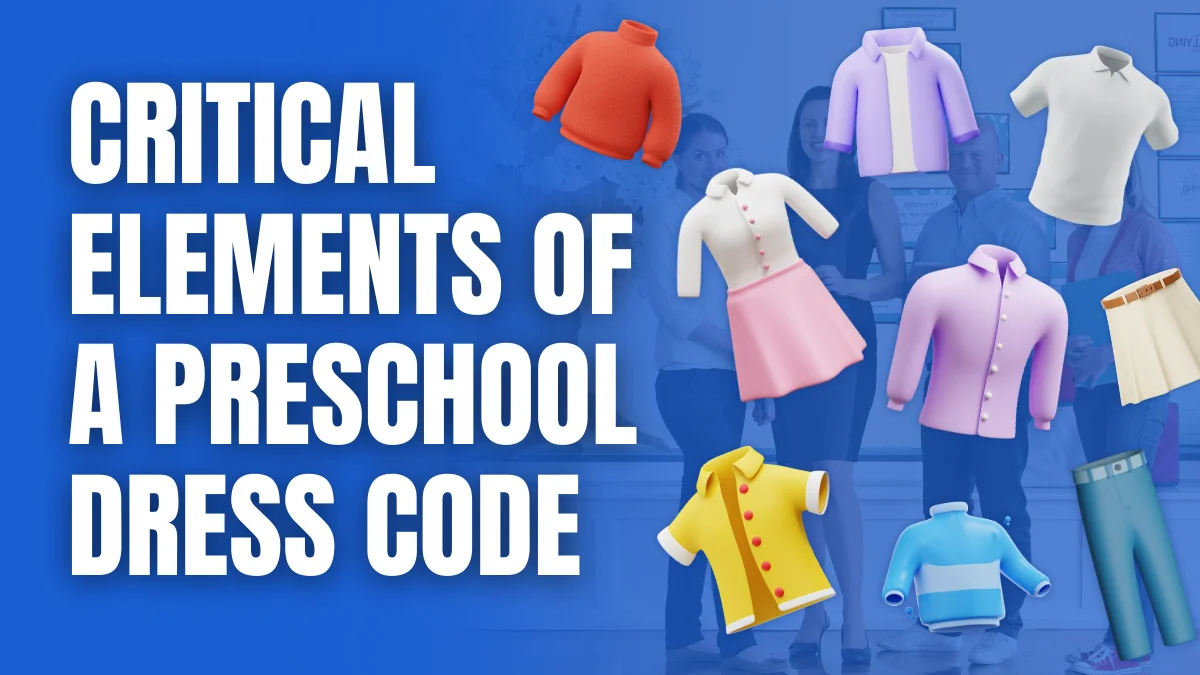
Establishing a professional and practical preschool dress code is essential for ensuring consistency, safety, and a positive image for your childcare center. Below are the key elements that every effective dress code should include.

Appropriate Clothing for Teachers

Teachers need attire that allows them to interact actively with children while maintaining a professional appearance. The focus is on balance—clothing should be both functional and suitable for an educational setting.

  • Tops: Polo shirts, blouses, or casual button-downs are ideal. Avoid tops that are too revealing, have offensive graphics, or appear too casual, like graphic T-shirts or tank tops.

  • Bottoms: Khakis, slacks, or neat, tailored pants are preferred. Leggings can be acceptable if paired with a long tunic or dress. Shorts or skirts should be knee-length or longer to allow for comfortable movement without compromising professionalism.

Footwear: Safety and Comfort First

Given that preschool teachers are constantly on their feet, it’s essential to prioritize safe and comfortable footwear in the dress code. Teachers are likely to engage in activities like outdoor play, walking, or bending down to interact with children, so shoes should facilitate ease of movement.

  • Closed-Toe Shoes: Closed-toe shoes, such as sneakers or flats, are essential for preventing injuries and ensuring safety.

  • Supportive Shoes: Footwear should have adequate support to help prevent fatigue, which is typical for those standing for long periods. Shoes like slip-on sneakers or athletic shoes provide the right balance of comfort and professionalism.

Accessories: Practical and Minimal

Accessories should be minimal and practical as teachers engage in hands-on activities with children. Overly large or dangling accessories can pose safety risks for teachers and children.

  • Jewelry: Small, non-dangling earrings and simple necklaces or watches are encouraged. Avoid large hoop earrings, long necklaces, or bracelets that could easily get caught during activities.
  • Hair and Makeup: Hair should be neatly groomed and secured if necessary, especially during activities that require lots of movement. Makeup should be modest and appropriate for a professional setting

Weather-Appropriate Attire

It’s essential to include guidelines for weather-appropriate attire to ensure teachers remain comfortable throughout the year. This allows them to maintain professionalism while adapting to seasonal changes.

  • Cold Weather: Teachers can wear sweaters, jackets, or cardigans in colder weather, ensuring they remain comfortable while looking professional. Scarves and hats can also be permitted as long as they maintain a neat appearance.

  • Warm Weather: Breathable fabrics like cotton are ideal in warmer months. The dress code should outline appropriate alternatives for hot weather, such as short-sleeve shirts, but still enforce standards on modesty and professionalism.

By incorporating these key elements, your preschool dress code will ensure that staff members are well-equipped to maintain a professional image while working effectively and comfortably.

Conclusion

A professional preschool dress code is more than just guidelines for attire—it reflects your center’s values, professionalism, and commitment to creating a safe and positive learning environment. By defining clear expectations, ensuring comfort and safety, and incorporating input from staff, you can create a dress code that enhances your center’s image and supports teachers in their active roles. A well-executed dress code fosters unity, professionalism, and trust.

Ready to elevate your childcare center’s image? Contact us today at No Joke Childcare or call (706) 899-3707!

Get A Free Strategy Call With One Of Our Childcare Marketing Specialists!

Do you want
more traffic?

Stop wasting money and unlock the hidden potential of your advertising.

Are you using Google Ads

Try our new free ads grader?

Boost your childcare center's ROI with Michael Tasner, Founder of No Joke Childcare. With his extensive experience and expertise in childcare marketing, Michael Tasner offers innovative strategies tailored to the unique needs of your center. From web 3.0 marketing to social media strategies, he'll guide you to achieve maximum visibility and generate quality leads. Don't miss out on this opportunity to supercharge your marketing efforts and position your center for success.

About Michael Tasner

Hey, I'm Michael Tasner. I'm determined to make your childcare center grow. My only question is, will it be yours?

Categories
Professional Dress Code for Preschool Teachers Enhancing Your Centers
Published On: 10/16/20247.6 min readViews: 2087

A clear and professional dress code for preschool teachers not only enhances the image of your childcare center but also fosters a positive and trustworthy environment. How teachers present themselves impacts how parents perceive the center’s professionalism and commitment to quality care.

From comfortable yet appropriate clothing to practical footwear, maintaining a balance between function and professionalism is critical. This post will explore essential dress code guidelines that help your preschool staff look the part while ensuring they can engage with children effectively.

Defining the Preschool Teacher Dress Code

Defining the Preschool Teacher Dress Code

A professional preschool teacher dress code is essential in creating a safe, welcoming, and positive learning environment. It helps establish expectations for the teachers’ appearance and reflects the overall professionalism of your childcare center. Teachers who present themselves professionally yet approachable build trust with parents and enhance the center’s image.

The Purpose of a Preschool Teacher Dress Code

The preschool teacher dress code serves several purposes:

  • Professionalism: Teachers are role models for children and parents, and their appearance should reflect the center's values.  

  • Safety: Working with young children requires teachers to move, bend, and interact at their level, so the dress code should ensure safety and comfort.  

  • Unity and Branding: A standardized dress code creates a sense of unity among staff and reinforces the center's brand, making a lasting impression on parents.  

A dress code aims to balance professionalism, practicality, and comfort, ensuring that teachers can perform their duties effectively while representing the center in a positive light.

Essential Components of a Preschool Teacher Dress Code

A well-defined dress code typically includes specific guidelines for the following:

  • Clothing: Teachers should wear professional and functional clothing. Loose or revealing clothing is generally discouraged. Examples of appropriate attire include polos, blouses, and khakis or slacks. Depending on the center’s overall style, T-shirts and jeans might be allowed, but they should still look neat and professional.

  • Footwear: Given the active nature of preschool teaching, footwear should be closed-toe and supportive. Sneakers or other comfortable shoes are usually recommended to ensure ease of movement.  

  • Accessories: Minimal accessories are often preferred, as large or dangling jewelry could pose safety risks when working with children.  

The dress code sets clear expectations for attire, ensuring that staff members project a professional image while staying safe and comfortable in an active work environment.

Flexibility for Practicality

It’s essential to provide some flexibility in the preschool teacher dress code to accommodate for special activities, seasonal changes, or specific needs. For instance, teachers might wear more casual clothing during outdoor activities or messy play as long as it remains appropriate for the setting. Additionally, providing branded shirts or aprons for staff to wear can help maintain professionalism while offering practical solutions for daily interactions with children.

Implementing a Preschool Staff Dress Code Policy

Implementing a Preschool Staff Dress Code Policy

A clear and well-communicated preschool staff dress code policy ensures consistency, professionalism, and safety in your center. The key to successfully implementing this policy is to create guidelines that align with your center’s values, provide practicality for the staff, and maintain the center’s image. Below are essential steps and considerations to effectively help you implement a dress code policy.

Define Your Goals and Priorities

Before creating a dress code policy, consider the goals it needs to achieve. A preschool staff dress code should:

  • Promote Professionalism: Ensure that staff attire reflects the professionalism of your center. 

  • Encourage Safety and Comfort: Teachers work in highly active environments and need clothing that facilitates movement and safety.  

  • Reflect Your Brand: Your center's dress code should align with its brand identity, whether casual or more formal.  

Identifying these goals will guide you in crafting a policy that resonates with your center’s culture and values.

Involve Staff in the Policy Creation

Involving staff members in the creation of the dress code policy can help ensure a smoother implementation. Teachers will be following these guidelines daily, so their input is invaluable for practical considerations such as comfort, flexibility, and specific needs based on job roles.

You might consider:

  • Holding meetings to gather staff feedback.  

  • Sending out surveys to get insights on preferred attire for certain activities, like outdoor play or field trips.  

When teachers feel their opinions are valued, they’re more likely to embrace the dress code.

Critical Components to Include in Your Policy

When drafting the dress code, provide specific guidelines that are easy to understand. Consider including the following:

  • General Appearance: Define what "professional" means at your center. Should teachers wear business-casual clothing, or is a more relaxed approach acceptable? 

  • Clothing Choices: Provide clear examples of acceptable and unacceptable clothing. For instance:

    • Acceptable: Polos, blouses, khakis, tailored pants.  
    • Unacceptable: Torn jeans, flip-flops, revealing tops.  


  • Footwear: Ensure that the policy includes recommendations for supportive, closed-toe shoes that are appropriate for both safety and comfort.  

  • Special Occasions or Activities: Allow flexibility for special events or activities, such as spirit days, field trips, or outdoor play.

Ensure Clear Communication

Once the dress code is finalized, clear communication is essential for implementation. Ensure all staff members receive and understand the policy through a handbook, email, or staff meeting. Visual aids, like images or examples of acceptable attire, are also good to prevent confusion.

Ways to ensure clarity include:

  • Staff Handbook: Incorporate the dress code policy into the employee handbook, ensuring it is always accessible for reference.  

  • Training and Orientation: Discuss the dress code policy during new staff onboarding and orientation sessions to set expectations early.  

  • Regular Reminders: Use newsletters or meetings to remind staff about the policy, especially if there are seasonal dress code changes.  

Handling Violations and Providing Flexibility

It's important to outline how dress code violations will be addressed. While flexibility is vital, consistent enforcement is necessary to maintain the center's image. Establish clear consequences for non-compliance but also offer room for reasonable accommodations or exceptions, such as for health needs, cultural attire, or particular circumstances. 

Critical Elements of a Preschool Dress Code 

Critical Elements of a Preschool Dress Code

Establishing a professional and practical preschool dress code is essential for ensuring consistency, safety, and a positive image for your childcare center. Below are the key elements that every effective dress code should include.

Appropriate Clothing for Teachers

Teachers need attire that allows them to interact actively with children while maintaining a professional appearance. The focus is on balance—clothing should be both functional and suitable for an educational setting.

  • Tops: Polo shirts, blouses, or casual button-downs are ideal. Avoid tops that are too revealing, have offensive graphics, or appear too casual, like graphic T-shirts or tank tops.

  • Bottoms: Khakis, slacks, or neat, tailored pants are preferred. Leggings can be acceptable if paired with a long tunic or dress. Shorts or skirts should be knee-length or longer to allow for comfortable movement without compromising professionalism.

Footwear: Safety and Comfort First

Given that preschool teachers are constantly on their feet, it’s essential to prioritize safe and comfortable footwear in the dress code. Teachers are likely to engage in activities like outdoor play, walking, or bending down to interact with children, so shoes should facilitate ease of movement.

  • Closed-Toe Shoes: Closed-toe shoes, such as sneakers or flats, are essential for preventing injuries and ensuring safety.

  • Supportive Shoes: Footwear should have adequate support to help prevent fatigue, which is typical for those standing for long periods. Shoes like slip-on sneakers or athletic shoes provide the right balance of comfort and professionalism.

Accessories: Practical and Minimal

Accessories should be minimal and practical as teachers engage in hands-on activities with children. Overly large or dangling accessories can pose safety risks for teachers and children.

  • Jewelry: Small, non-dangling earrings and simple necklaces or watches are encouraged. Avoid large hoop earrings, long necklaces, or bracelets that could easily get caught during activities.
  • Hair and Makeup: Hair should be neatly groomed and secured if necessary, especially during activities that require lots of movement. Makeup should be modest and appropriate for a professional setting

Weather-Appropriate Attire

It’s essential to include guidelines for weather-appropriate attire to ensure teachers remain comfortable throughout the year. This allows them to maintain professionalism while adapting to seasonal changes.

  • Cold Weather: Teachers can wear sweaters, jackets, or cardigans in colder weather, ensuring they remain comfortable while looking professional. Scarves and hats can also be permitted as long as they maintain a neat appearance.

  • Warm Weather: Breathable fabrics like cotton are ideal in warmer months. The dress code should outline appropriate alternatives for hot weather, such as short-sleeve shirts, but still enforce standards on modesty and professionalism.

By incorporating these key elements, your preschool dress code will ensure that staff members are well-equipped to maintain a professional image while working effectively and comfortably.

Conclusion

A professional preschool dress code is more than just guidelines for attire—it reflects your center’s values, professionalism, and commitment to creating a safe and positive learning environment. By defining clear expectations, ensuring comfort and safety, and incorporating input from staff, you can create a dress code that enhances your center’s image and supports teachers in their active roles. A well-executed dress code fosters unity, professionalism, and trust.

Ready to elevate your childcare center’s image? Contact us today at No Joke Childcare or call (706) 899-3707!

Get A Free Strategy Call With One Of Our Childcare Marketing Specialists!

Professional Dress Code for Preschool Teachers Enhancing Your Centers
Published On: 10/16/20247.6 min readViews: 2087

A clear and professional dress code for preschool teachers not only enhances the image of your childcare center but also fosters a positive and trustworthy environment. How teachers present themselves impacts how parents perceive the center’s professionalism and commitment to quality care.

From comfortable yet appropriate clothing to practical footwear, maintaining a balance between function and professionalism is critical. This post will explore essential dress code guidelines that help your preschool staff look the part while ensuring they can engage with children effectively.

Defining the Preschool Teacher Dress Code

Defining the Preschool Teacher Dress Code

A professional preschool teacher dress code is essential in creating a safe, welcoming, and positive learning environment. It helps establish expectations for the teachers’ appearance and reflects the overall professionalism of your childcare center. Teachers who present themselves professionally yet approachable build trust with parents and enhance the center’s image.

The Purpose of a Preschool Teacher Dress Code

The preschool teacher dress code serves several purposes:

  • Professionalism: Teachers are role models for children and parents, and their appearance should reflect the center's values.  

  • Safety: Working with young children requires teachers to move, bend, and interact at their level, so the dress code should ensure safety and comfort.  

  • Unity and Branding: A standardized dress code creates a sense of unity among staff and reinforces the center's brand, making a lasting impression on parents.  

A dress code aims to balance professionalism, practicality, and comfort, ensuring that teachers can perform their duties effectively while representing the center in a positive light.

Essential Components of a Preschool Teacher Dress Code

A well-defined dress code typically includes specific guidelines for the following:

  • Clothing: Teachers should wear professional and functional clothing. Loose or revealing clothing is generally discouraged. Examples of appropriate attire include polos, blouses, and khakis or slacks. Depending on the center’s overall style, T-shirts and jeans might be allowed, but they should still look neat and professional.

  • Footwear: Given the active nature of preschool teaching, footwear should be closed-toe and supportive. Sneakers or other comfortable shoes are usually recommended to ensure ease of movement.  

  • Accessories: Minimal accessories are often preferred, as large or dangling jewelry could pose safety risks when working with children.  

The dress code sets clear expectations for attire, ensuring that staff members project a professional image while staying safe and comfortable in an active work environment.

Flexibility for Practicality

It’s essential to provide some flexibility in the preschool teacher dress code to accommodate for special activities, seasonal changes, or specific needs. For instance, teachers might wear more casual clothing during outdoor activities or messy play as long as it remains appropriate for the setting. Additionally, providing branded shirts or aprons for staff to wear can help maintain professionalism while offering practical solutions for daily interactions with children.

Implementing a Preschool Staff Dress Code Policy

Implementing a Preschool Staff Dress Code Policy

A clear and well-communicated preschool staff dress code policy ensures consistency, professionalism, and safety in your center. The key to successfully implementing this policy is to create guidelines that align with your center’s values, provide practicality for the staff, and maintain the center’s image. Below are essential steps and considerations to effectively help you implement a dress code policy.

Define Your Goals and Priorities

Before creating a dress code policy, consider the goals it needs to achieve. A preschool staff dress code should:

  • Promote Professionalism: Ensure that staff attire reflects the professionalism of your center. 

  • Encourage Safety and Comfort: Teachers work in highly active environments and need clothing that facilitates movement and safety.  

  • Reflect Your Brand: Your center's dress code should align with its brand identity, whether casual or more formal.  

Identifying these goals will guide you in crafting a policy that resonates with your center’s culture and values.

Involve Staff in the Policy Creation

Involving staff members in the creation of the dress code policy can help ensure a smoother implementation. Teachers will be following these guidelines daily, so their input is invaluable for practical considerations such as comfort, flexibility, and specific needs based on job roles.

You might consider:

  • Holding meetings to gather staff feedback.  

  • Sending out surveys to get insights on preferred attire for certain activities, like outdoor play or field trips.  

When teachers feel their opinions are valued, they’re more likely to embrace the dress code.

Critical Components to Include in Your Policy

When drafting the dress code, provide specific guidelines that are easy to understand. Consider including the following:

  • General Appearance: Define what "professional" means at your center. Should teachers wear business-casual clothing, or is a more relaxed approach acceptable? 

  • Clothing Choices: Provide clear examples of acceptable and unacceptable clothing. For instance:

    • Acceptable: Polos, blouses, khakis, tailored pants.  
    • Unacceptable: Torn jeans, flip-flops, revealing tops.  


  • Footwear: Ensure that the policy includes recommendations for supportive, closed-toe shoes that are appropriate for both safety and comfort.  

  • Special Occasions or Activities: Allow flexibility for special events or activities, such as spirit days, field trips, or outdoor play.

Ensure Clear Communication

Once the dress code is finalized, clear communication is essential for implementation. Ensure all staff members receive and understand the policy through a handbook, email, or staff meeting. Visual aids, like images or examples of acceptable attire, are also good to prevent confusion.

Ways to ensure clarity include:

  • Staff Handbook: Incorporate the dress code policy into the employee handbook, ensuring it is always accessible for reference.  

  • Training and Orientation: Discuss the dress code policy during new staff onboarding and orientation sessions to set expectations early.  

  • Regular Reminders: Use newsletters or meetings to remind staff about the policy, especially if there are seasonal dress code changes.  

Handling Violations and Providing Flexibility

It's important to outline how dress code violations will be addressed. While flexibility is vital, consistent enforcement is necessary to maintain the center's image. Establish clear consequences for non-compliance but also offer room for reasonable accommodations or exceptions, such as for health needs, cultural attire, or particular circumstances. 

Critical Elements of a Preschool Dress Code 

Critical Elements of a Preschool Dress Code

Establishing a professional and practical preschool dress code is essential for ensuring consistency, safety, and a positive image for your childcare center. Below are the key elements that every effective dress code should include.

Appropriate Clothing for Teachers

Teachers need attire that allows them to interact actively with children while maintaining a professional appearance. The focus is on balance—clothing should be both functional and suitable for an educational setting.

  • Tops: Polo shirts, blouses, or casual button-downs are ideal. Avoid tops that are too revealing, have offensive graphics, or appear too casual, like graphic T-shirts or tank tops.

  • Bottoms: Khakis, slacks, or neat, tailored pants are preferred. Leggings can be acceptable if paired with a long tunic or dress. Shorts or skirts should be knee-length or longer to allow for comfortable movement without compromising professionalism.

Footwear: Safety and Comfort First

Given that preschool teachers are constantly on their feet, it’s essential to prioritize safe and comfortable footwear in the dress code. Teachers are likely to engage in activities like outdoor play, walking, or bending down to interact with children, so shoes should facilitate ease of movement.

  • Closed-Toe Shoes: Closed-toe shoes, such as sneakers or flats, are essential for preventing injuries and ensuring safety.

  • Supportive Shoes: Footwear should have adequate support to help prevent fatigue, which is typical for those standing for long periods. Shoes like slip-on sneakers or athletic shoes provide the right balance of comfort and professionalism.

Accessories: Practical and Minimal

Accessories should be minimal and practical as teachers engage in hands-on activities with children. Overly large or dangling accessories can pose safety risks for teachers and children.

  • Jewelry: Small, non-dangling earrings and simple necklaces or watches are encouraged. Avoid large hoop earrings, long necklaces, or bracelets that could easily get caught during activities.
  • Hair and Makeup: Hair should be neatly groomed and secured if necessary, especially during activities that require lots of movement. Makeup should be modest and appropriate for a professional setting

Weather-Appropriate Attire

It’s essential to include guidelines for weather-appropriate attire to ensure teachers remain comfortable throughout the year. This allows them to maintain professionalism while adapting to seasonal changes.

  • Cold Weather: Teachers can wear sweaters, jackets, or cardigans in colder weather, ensuring they remain comfortable while looking professional. Scarves and hats can also be permitted as long as they maintain a neat appearance.

  • Warm Weather: Breathable fabrics like cotton are ideal in warmer months. The dress code should outline appropriate alternatives for hot weather, such as short-sleeve shirts, but still enforce standards on modesty and professionalism.

By incorporating these key elements, your preschool dress code will ensure that staff members are well-equipped to maintain a professional image while working effectively and comfortably.

Conclusion

A professional preschool dress code is more than just guidelines for attire—it reflects your center’s values, professionalism, and commitment to creating a safe and positive learning environment. By defining clear expectations, ensuring comfort and safety, and incorporating input from staff, you can create a dress code that enhances your center’s image and supports teachers in their active roles. A well-executed dress code fosters unity, professionalism, and trust.

Ready to elevate your childcare center’s image? Contact us today at No Joke Childcare or call (706) 899-3707!

Get A Free Strategy Call With One Of Our Childcare Marketing Specialists!