I hope you enjoy reading this blog post.

If you want my team to just do your marketing for you, click here.


Innovative Preschool Playground Design Ideas: Enhance Outdoor Play Areas

Innovative Preschool Playground Design Ideas -Enhance Outdoor Play Areas

Preschool playground design is critical in creating engaging and safe outdoor spaces that promote young children’s physical, social, and cognitive development. Innovative playground ideas encourage active play and inspire creativity, problem-solving, and social interaction.

From nature-inspired designs to sensory play zones, modern playgrounds can transform a standard outdoor area into a vibrant learning environment. In this guide, we’ll explore innovative preschool playground design ideas to help you enhance your outdoor space, ensuring children can learn and grow while having fun.

Crafting an Engaging Preschool Playground Layout
Crafting an Engaging Preschool Playground Layout

Designing a well-thought-out preschool playground layout is vital to creating a space that promotes fun, safety, and developmental growth. A carefully crafted layout encourages different types of play, providing children with chances to explore their environment, build social skills, and engage in physical activity. The proper layout will balance active, imaginative, and quiet play, ensuring all children can access enriching activities.

Importance of a Thoughtful Layout

A thoughtfully designed preschool playground layout sets the foundation for children's interaction with the space. It's essential to consider the flow of movement, ensuring that children can easily transition between different areas without overcrowding or confusion.  

The layout should cater to various types of play, offering a balance between active play zones and quieter spaces for rest or reflection. A good layout supports children's independence while fostering creativity, teamwork, and problem-solving skills.   

Key Zones for Physical, Social, and Sensory Play

A successful playground layout incorporates distinct zones that promote different types of play: 

  • Physical Play Zones: These areas should feature equipment like slides, climbing structures, and swings to support physical activity and motor skill development. Placing these zones near the entrance or a central area ensures easy access and visibility.

  • Social Play Spaces: These areas should encourage group interaction and cooperative play. Playhouses, sandboxes, and role-playing stations foster social skills, imagination, and teamwork.

  • Sensory Play Areas: Integrating sensory elements such as water tables, musical instruments, or tactile surfaces allows children to explore their senses. These zones help children with different learning styles and abilities connect with their environment meaningfully.

Balancing Active and Quiet Play Areas

While active play is essential for physical development, quiet play spaces are equally crucial for allowing children to rest, reflect, and recharge. Designating quiet areas, such as shaded spots with seating or nature-inspired features, can offer a place for children to sit quietly, read, or observe their surroundings. Placing these areas away from the hustle and bustle of active play zones helps children transition smoothly between high-energy and calm activities.   

Creative Preschool Playground Design Ideas
Creative Preschool Playground Design Ideas

Designing an engaging preschool playground requires creativity and a focus on diverse play opportunities that stimulate children's growth. Here are some innovative preschool playground design ideas to help you create an enriching outdoor environment.   

Incorporating Themed Play Structures

Themed play structures capture children’s imaginations and turn ordinary play into exciting adventures:

  • Jungle or Forest Theme: Create a nature-inspired experience using treehouses, wooden bridges, and climbing vines.

  • Pirate Ship Theme: Add ship-like structures with sails, climbing ropes, and steering wheels to inspire imaginative, nautical adventures.

  • Space Theme: Install rocket slides, astronaut-themed climbers, and star-shaped sensory panels for fun.

Designing Multi-Use Play Spaces

Creating versatile, multi-use spaces maximizes both creativity and functionality:

  • Climbing Walls with Slides: Combine different physical challenges in one structure to offer varied play experiences.

  • Modular Play Areas: Include play zones with movable elements like blocks or panels that children can reconfigure to build, climb, or sit.

  • Dual-Purpose Playhouses: Design playhouses that serve as spaces for pretend play, reading, or small group activities.c

Enhancing Play with Interactive Elements

Interactive elements engage children's senses and encourage learning through play:   

  • Musical Instruments: Add outdoor drums, chimes, or xylophones to promote creativity through sound and rhythm.

  • Water Play Areas: Set up splash tables or channels where children can experiment with water flow, volume, and texture.

  • Interactive Panels: Install panels with movable parts, gears, or spinning elements to stimulate problem-solving and fine motor skills.

You can create a preschool playground that encourages imagination, physical development, and social interaction by incorporating themed structures, multi-use spaces, and interactive elements. A thoughtfully designed playground becomes a vibrant space where learning and play connect seamlessly.

Exploring Natural Preschool Playground Ideas
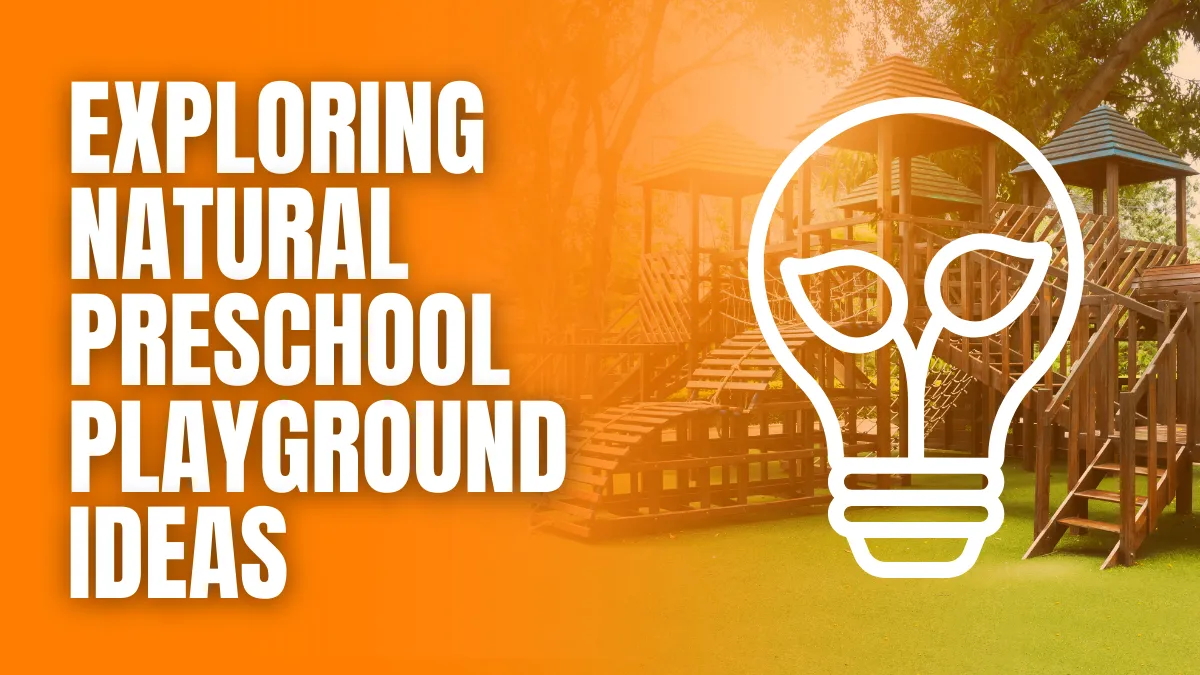
Integrating nature into preschool playgrounds gives children a rich sensory experience, helping them connect with the environment while engaging in imaginative play. Natural preschool playground ideas encourage exploration, creativity, and physical activity in ways manufactured equipment can't consistently achieve. You can create a unique, eco-friendly play space that promotes environmental awareness by incorporating natural elements.   

Benefits of Nature-Inspired Playgrounds

Nature-inspired playgrounds offer a range of benefits for preschoolers:

  • Sensory Engagement: Natural playgrounds engage all five senses. Children can feel the textures of wood and stone, hear the rustling of leaves, and observe how the seasons change the environment.

  • Physical Development: Natural playgrounds encourage physical activity by incorporating rocks to climb, logs to balance on, or hills to roll down. These features organically promote motor skill development.

  • Environmental Awareness: Playing in a nature-based setting fosters an early appreciation for the environment. Children begin to understand the importance of nature, helping them develop environmentally conscious habits.

Using Natural Materials and Features

Incorporating natural materials into your playground design can transform it into an engaging, eco-friendly space. Some critical materials and features to consider include:

  • Wooden Play Structures: Use untreated wood to create structures like treehouses, balance beams, or tunnels. Wood is durable and blends seamlessly into natural surroundings.

  • Boulders and Stones: Large rocks can be used for climbing, balancing, or seating. They add aesthetic appeal and functionality to the playground.

  • Sand and Dirt Play Areas: Designate areas where children can dig, build, and explore using sand, dirt, and mud. These elements encourage creativity and tactile learning.

Promoting Environmental Education Through Design

Natural playgrounds provide an opportunity to incorporate lessons about nature and sustainability into play. Here are some ideas:

  • Gardening Zones: Set aside small garden plots where children can plant flowers or vegetables. This teaches them about the life cycle of plants and responsibility through hands-on care.

  • Water Conservation Features: Install rainwater collection systems that feed into water tables or garden areas, demonstrating the importance of water conservation.

  • Wildlife-Friendly Elements: Incorporate birdhouses, butterfly gardens, or bug hotels to teach children about local wildlife and biodiversity.

By exploring these natural preschool playground ideas, you can create a space that supports active play and helps children connect with nature meaningfully. A nature-inspired playground will engage children’s senses, promote physical development, and foster environmental stewardship from an early age.

Designing for Inclusivity and Accessibility

Creating an inclusive and accessible preschool playground ensures that every child can play, explore, and interact with their peers regardless of ability. A well-designed inclusive playground promotes social integration and fosters children's physical, cognitive, and emotional development. By prioritizing inclusivity and accessibility, your playground becomes a welcoming space that offers equal opportunities for all. 

Ensuring Playgrounds Are Inclusive for All Abilities

Designing an inclusive playground means providing play opportunities that cater to children with various physical, sensory, and cognitive abilities. Key considerations include:

  • Variety of Play Options: Ensure play elements engage children of different abilities. This might include ramps to access slides, low swings for children with mobility issues, or sensory play panels for children with developmental challenges.

  • Accessible Surfacing: The playground’s surface should be made of wheelchair-accessible materials, such as rubberized flooring or compacted gravel. Avoiding loose-fill materials like sand or wood chips makes the playground easier for children using mobility aids to navigate.

  • Clear Pathways: Wide, clear paths help children with mobility issues move around the playground independently. These pathways should connect all play zones, ensuring all areas are accessible.

Incorporating Sensory-Friendly and Accessible Equipment

Providing equipment that caters to sensory and motor needs is essential in creating an inclusive playground. Here are some ways to do that:

  • Sensory Play Panels: Install panels with interactive features like spinning wheels, textures, or sound-making elements that engage children’s senses. These panels are great for children with sensory processing differences.

  • Inclusive Swings and Slides: Consider adding bucket swings, adaptive swings, or slides with transfer platforms so children with varying abilities can safely participate in these activities.

  • Quiet Zones: Include spaces with lower stimulation for children needing a break from active play. These areas can feature benches or sensory gardens where children can relax and reset.

Encouraging Social Interaction Through Universal Design

An inclusive playground should promote social interaction among children, regardless of their abilities:

  • Collaborative Play Elements: Equipment like seesaws, sand tables, or playhouses should encourage group play. This encourages children to cooperate and communicate while playing.

  • Universal Design: By applying universal design principles, the playground can cater to all children, allowing everyone to use the equipment equally. This includes designing equipment with easy access points and activities that children can play together, regardless of their physical or cognitive abilities.

By designing for inclusivity and accessibility, you create a preschool playground that offers meaningful play experiences for all children. Incorporating accessible equipment, clear pathways, and sensory-friendly features ensures every child can fully participate and enjoy the playground.

Conclusion

Designing a preschool playground is an exciting opportunity for children to learn, grow, and thrive. From innovative layouts and natural elements to inclusive design, these ideas can turn your playground into a dynamic and engaging environment. With thoughtful planning, you'll inspire creativity, promote physical development, and provide children with endless opportunities for exploration and play. 

Ready to bring your preschool playground to life? Contact No Joke Childcare today at our contact page or call (706) 899-3707 for expert guidance!  

Do you want
more traffic?

Stop wasting money and unlock the hidden potential of your advertising.

Are you using Google Ads

Try our new free ads grader?

Boost your childcare center's ROI with Michael Tasner, Founder of No Joke Childcare. With his extensive experience and expertise in childcare marketing, Michael Tasner offers innovative strategies tailored to the unique needs of your center. From web 3.0 marketing to social media strategies, he'll guide you to achieve maximum visibility and generate quality leads. Don't miss out on this opportunity to supercharge your marketing efforts and position your center for success.

About Michael Tasner

Hey, I'm Michael Tasner. I'm determined to make your childcare center grow. My only question is, will it be yours?

Categories
Innovative Preschool Playground Design Ideas -Enhance Outdoor Play Areas
Published On: 10/23/20247.9 min readViews: 1052

Preschool playground design is critical in creating engaging and safe outdoor spaces that promote young children’s physical, social, and cognitive development. Innovative playground ideas encourage active play and inspire creativity, problem-solving, and social interaction.

From nature-inspired designs to sensory play zones, modern playgrounds can transform a standard outdoor area into a vibrant learning environment. In this guide, we’ll explore innovative preschool playground design ideas to help you enhance your outdoor space, ensuring children can learn and grow while having fun.

Crafting an Engaging Preschool Playground Layout

Crafting an Engaging Preschool Playground Layout

Designing a well-thought-out preschool playground layout is vital to creating a space that promotes fun, safety, and developmental growth. A carefully crafted layout encourages different types of play, providing children with chances to explore their environment, build social skills, and engage in physical activity. The proper layout will balance active, imaginative, and quiet play, ensuring all children can access enriching activities.

Importance of a Thoughtful Layout

A thoughtfully designed preschool playground layout sets the foundation for children's interaction with the space. It's essential to consider the flow of movement, ensuring that children can easily transition between different areas without overcrowding or confusion.  

The layout should cater to various types of play, offering a balance between active play zones and quieter spaces for rest or reflection. A good layout supports children's independence while fostering creativity, teamwork, and problem-solving skills.   

Key Zones for Physical, Social, and Sensory Play

A successful playground layout incorporates distinct zones that promote different types of play: 

  • Physical Play Zones: These areas should feature equipment like slides, climbing structures, and swings to support physical activity and motor skill development. Placing these zones near the entrance or a central area ensures easy access and visibility.

  • Social Play Spaces: These areas should encourage group interaction and cooperative play. Playhouses, sandboxes, and role-playing stations foster social skills, imagination, and teamwork.

  • Sensory Play Areas: Integrating sensory elements such as water tables, musical instruments, or tactile surfaces allows children to explore their senses. These zones help children with different learning styles and abilities connect with their environment meaningfully.

Balancing Active and Quiet Play Areas

While active play is essential for physical development, quiet play spaces are equally crucial for allowing children to rest, reflect, and recharge. Designating quiet areas, such as shaded spots with seating or nature-inspired features, can offer a place for children to sit quietly, read, or observe their surroundings. Placing these areas away from the hustle and bustle of active play zones helps children transition smoothly between high-energy and calm activities.   

Creative Preschool Playground Design Ideas

Creative Preschool Playground Design Ideas

Designing an engaging preschool playground requires creativity and a focus on diverse play opportunities that stimulate children's growth. Here are some innovative preschool playground design ideas to help you create an enriching outdoor environment.   

Incorporating Themed Play Structures

Themed play structures capture children’s imaginations and turn ordinary play into exciting adventures:

  • Jungle or Forest Theme: Create a nature-inspired experience using treehouses, wooden bridges, and climbing vines.

  • Pirate Ship Theme: Add ship-like structures with sails, climbing ropes, and steering wheels to inspire imaginative, nautical adventures.

  • Space Theme: Install rocket slides, astronaut-themed climbers, and star-shaped sensory panels for fun.

Designing Multi-Use Play Spaces

Creating versatile, multi-use spaces maximizes both creativity and functionality:

  • Climbing Walls with Slides: Combine different physical challenges in one structure to offer varied play experiences.

  • Modular Play Areas: Include play zones with movable elements like blocks or panels that children can reconfigure to build, climb, or sit.

  • Dual-Purpose Playhouses: Design playhouses that serve as spaces for pretend play, reading, or small group activities.c

Enhancing Play with Interactive Elements

Interactive elements engage children's senses and encourage learning through play:   

  • Musical Instruments: Add outdoor drums, chimes, or xylophones to promote creativity through sound and rhythm.

  • Water Play Areas: Set up splash tables or channels where children can experiment with water flow, volume, and texture.

  • Interactive Panels: Install panels with movable parts, gears, or spinning elements to stimulate problem-solving and fine motor skills.

You can create a preschool playground that encourages imagination, physical development, and social interaction by incorporating themed structures, multi-use spaces, and interactive elements. A thoughtfully designed playground becomes a vibrant space where learning and play connect seamlessly.

Exploring Natural Preschool Playground Ideas

Integrating nature into preschool playgrounds gives children a rich sensory experience, helping them connect with the environment while engaging in imaginative play. Natural preschool playground ideas encourage exploration, creativity, and physical activity in ways manufactured equipment can't consistently achieve. You can create a unique, eco-friendly play space that promotes environmental awareness by incorporating natural elements.   

Benefits of Nature-Inspired Playgrounds

Nature-inspired playgrounds offer a range of benefits for preschoolers:

  • Sensory Engagement: Natural playgrounds engage all five senses. Children can feel the textures of wood and stone, hear the rustling of leaves, and observe how the seasons change the environment.

  • Physical Development: Natural playgrounds encourage physical activity by incorporating rocks to climb, logs to balance on, or hills to roll down. These features organically promote motor skill development.

  • Environmental Awareness: Playing in a nature-based setting fosters an early appreciation for the environment. Children begin to understand the importance of nature, helping them develop environmentally conscious habits.

Using Natural Materials and Features

Incorporating natural materials into your playground design can transform it into an engaging, eco-friendly space. Some critical materials and features to consider include:

  • Wooden Play Structures: Use untreated wood to create structures like treehouses, balance beams, or tunnels. Wood is durable and blends seamlessly into natural surroundings.

  • Boulders and Stones: Large rocks can be used for climbing, balancing, or seating. They add aesthetic appeal and functionality to the playground.

  • Sand and Dirt Play Areas: Designate areas where children can dig, build, and explore using sand, dirt, and mud. These elements encourage creativity and tactile learning.

Promoting Environmental Education Through Design

Natural playgrounds provide an opportunity to incorporate lessons about nature and sustainability into play. Here are some ideas:

  • Gardening Zones: Set aside small garden plots where children can plant flowers or vegetables. This teaches them about the life cycle of plants and responsibility through hands-on care.

  • Water Conservation Features: Install rainwater collection systems that feed into water tables or garden areas, demonstrating the importance of water conservation.

  • Wildlife-Friendly Elements: Incorporate birdhouses, butterfly gardens, or bug hotels to teach children about local wildlife and biodiversity.

By exploring these natural preschool playground ideas, you can create a space that supports active play and helps children connect with nature meaningfully. A nature-inspired playground will engage children’s senses, promote physical development, and foster environmental stewardship from an early age.

Designing for Inclusivity and Accessibility

Creating an inclusive and accessible preschool playground ensures that every child can play, explore, and interact with their peers regardless of ability. A well-designed inclusive playground promotes social integration and fosters children's physical, cognitive, and emotional development. By prioritizing inclusivity and accessibility, your playground becomes a welcoming space that offers equal opportunities for all. 

Ensuring Playgrounds Are Inclusive for All Abilities

Designing an inclusive playground means providing play opportunities that cater to children with various physical, sensory, and cognitive abilities. Key considerations include:

  • Variety of Play Options: Ensure play elements engage children of different abilities. This might include ramps to access slides, low swings for children with mobility issues, or sensory play panels for children with developmental challenges.

  • Accessible Surfacing: The playground’s surface should be made of wheelchair-accessible materials, such as rubberized flooring or compacted gravel. Avoiding loose-fill materials like sand or wood chips makes the playground easier for children using mobility aids to navigate.

  • Clear Pathways: Wide, clear paths help children with mobility issues move around the playground independently. These pathways should connect all play zones, ensuring all areas are accessible.

Incorporating Sensory-Friendly and Accessible Equipment

Providing equipment that caters to sensory and motor needs is essential in creating an inclusive playground. Here are some ways to do that:

  • Sensory Play Panels: Install panels with interactive features like spinning wheels, textures, or sound-making elements that engage children’s senses. These panels are great for children with sensory processing differences.

  • Inclusive Swings and Slides: Consider adding bucket swings, adaptive swings, or slides with transfer platforms so children with varying abilities can safely participate in these activities.

  • Quiet Zones: Include spaces with lower stimulation for children needing a break from active play. These areas can feature benches or sensory gardens where children can relax and reset.

Encouraging Social Interaction Through Universal Design

An inclusive playground should promote social interaction among children, regardless of their abilities:

  • Collaborative Play Elements: Equipment like seesaws, sand tables, or playhouses should encourage group play. This encourages children to cooperate and communicate while playing.

  • Universal Design: By applying universal design principles, the playground can cater to all children, allowing everyone to use the equipment equally. This includes designing equipment with easy access points and activities that children can play together, regardless of their physical or cognitive abilities.

By designing for inclusivity and accessibility, you create a preschool playground that offers meaningful play experiences for all children. Incorporating accessible equipment, clear pathways, and sensory-friendly features ensures every child can fully participate and enjoy the playground.

Conclusion

Designing a preschool playground is an exciting opportunity for children to learn, grow, and thrive. From innovative layouts and natural elements to inclusive design, these ideas can turn your playground into a dynamic and engaging environment. With thoughtful planning, you'll inspire creativity, promote physical development, and provide children with endless opportunities for exploration and play. 

Ready to bring your preschool playground to life? Contact No Joke Childcare today at our contact page or call (706) 899-3707 for expert guidance!  

Innovative Preschool Playground Design Ideas -Enhance Outdoor Play Areas
Published On: 10/23/20247.9 min readViews: 1052

Preschool playground design is critical in creating engaging and safe outdoor spaces that promote young children’s physical, social, and cognitive development. Innovative playground ideas encourage active play and inspire creativity, problem-solving, and social interaction.

From nature-inspired designs to sensory play zones, modern playgrounds can transform a standard outdoor area into a vibrant learning environment. In this guide, we’ll explore innovative preschool playground design ideas to help you enhance your outdoor space, ensuring children can learn and grow while having fun.

Crafting an Engaging Preschool Playground Layout

Crafting an Engaging Preschool Playground Layout

Designing a well-thought-out preschool playground layout is vital to creating a space that promotes fun, safety, and developmental growth. A carefully crafted layout encourages different types of play, providing children with chances to explore their environment, build social skills, and engage in physical activity. The proper layout will balance active, imaginative, and quiet play, ensuring all children can access enriching activities.

Importance of a Thoughtful Layout

A thoughtfully designed preschool playground layout sets the foundation for children's interaction with the space. It's essential to consider the flow of movement, ensuring that children can easily transition between different areas without overcrowding or confusion.  

The layout should cater to various types of play, offering a balance between active play zones and quieter spaces for rest or reflection. A good layout supports children's independence while fostering creativity, teamwork, and problem-solving skills.   

Key Zones for Physical, Social, and Sensory Play

A successful playground layout incorporates distinct zones that promote different types of play: 

  • Physical Play Zones: These areas should feature equipment like slides, climbing structures, and swings to support physical activity and motor skill development. Placing these zones near the entrance or a central area ensures easy access and visibility.

  • Social Play Spaces: These areas should encourage group interaction and cooperative play. Playhouses, sandboxes, and role-playing stations foster social skills, imagination, and teamwork.

  • Sensory Play Areas: Integrating sensory elements such as water tables, musical instruments, or tactile surfaces allows children to explore their senses. These zones help children with different learning styles and abilities connect with their environment meaningfully.

Balancing Active and Quiet Play Areas

While active play is essential for physical development, quiet play spaces are equally crucial for allowing children to rest, reflect, and recharge. Designating quiet areas, such as shaded spots with seating or nature-inspired features, can offer a place for children to sit quietly, read, or observe their surroundings. Placing these areas away from the hustle and bustle of active play zones helps children transition smoothly between high-energy and calm activities.   

Creative Preschool Playground Design Ideas

Creative Preschool Playground Design Ideas

Designing an engaging preschool playground requires creativity and a focus on diverse play opportunities that stimulate children's growth. Here are some innovative preschool playground design ideas to help you create an enriching outdoor environment.   

Incorporating Themed Play Structures

Themed play structures capture children’s imaginations and turn ordinary play into exciting adventures:

  • Jungle or Forest Theme: Create a nature-inspired experience using treehouses, wooden bridges, and climbing vines.

  • Pirate Ship Theme: Add ship-like structures with sails, climbing ropes, and steering wheels to inspire imaginative, nautical adventures.

  • Space Theme: Install rocket slides, astronaut-themed climbers, and star-shaped sensory panels for fun.

Designing Multi-Use Play Spaces

Creating versatile, multi-use spaces maximizes both creativity and functionality:

  • Climbing Walls with Slides: Combine different physical challenges in one structure to offer varied play experiences.

  • Modular Play Areas: Include play zones with movable elements like blocks or panels that children can reconfigure to build, climb, or sit.

  • Dual-Purpose Playhouses: Design playhouses that serve as spaces for pretend play, reading, or small group activities.c

Enhancing Play with Interactive Elements

Interactive elements engage children's senses and encourage learning through play:   

  • Musical Instruments: Add outdoor drums, chimes, or xylophones to promote creativity through sound and rhythm.

  • Water Play Areas: Set up splash tables or channels where children can experiment with water flow, volume, and texture.

  • Interactive Panels: Install panels with movable parts, gears, or spinning elements to stimulate problem-solving and fine motor skills.

You can create a preschool playground that encourages imagination, physical development, and social interaction by incorporating themed structures, multi-use spaces, and interactive elements. A thoughtfully designed playground becomes a vibrant space where learning and play connect seamlessly.

Exploring Natural Preschool Playground Ideas

Integrating nature into preschool playgrounds gives children a rich sensory experience, helping them connect with the environment while engaging in imaginative play. Natural preschool playground ideas encourage exploration, creativity, and physical activity in ways manufactured equipment can't consistently achieve. You can create a unique, eco-friendly play space that promotes environmental awareness by incorporating natural elements.   

Benefits of Nature-Inspired Playgrounds

Nature-inspired playgrounds offer a range of benefits for preschoolers:

  • Sensory Engagement: Natural playgrounds engage all five senses. Children can feel the textures of wood and stone, hear the rustling of leaves, and observe how the seasons change the environment.

  • Physical Development: Natural playgrounds encourage physical activity by incorporating rocks to climb, logs to balance on, or hills to roll down. These features organically promote motor skill development.

  • Environmental Awareness: Playing in a nature-based setting fosters an early appreciation for the environment. Children begin to understand the importance of nature, helping them develop environmentally conscious habits.

Using Natural Materials and Features

Incorporating natural materials into your playground design can transform it into an engaging, eco-friendly space. Some critical materials and features to consider include:

  • Wooden Play Structures: Use untreated wood to create structures like treehouses, balance beams, or tunnels. Wood is durable and blends seamlessly into natural surroundings.

  • Boulders and Stones: Large rocks can be used for climbing, balancing, or seating. They add aesthetic appeal and functionality to the playground.

  • Sand and Dirt Play Areas: Designate areas where children can dig, build, and explore using sand, dirt, and mud. These elements encourage creativity and tactile learning.

Promoting Environmental Education Through Design

Natural playgrounds provide an opportunity to incorporate lessons about nature and sustainability into play. Here are some ideas:

  • Gardening Zones: Set aside small garden plots where children can plant flowers or vegetables. This teaches them about the life cycle of plants and responsibility through hands-on care.

  • Water Conservation Features: Install rainwater collection systems that feed into water tables or garden areas, demonstrating the importance of water conservation.

  • Wildlife-Friendly Elements: Incorporate birdhouses, butterfly gardens, or bug hotels to teach children about local wildlife and biodiversity.

By exploring these natural preschool playground ideas, you can create a space that supports active play and helps children connect with nature meaningfully. A nature-inspired playground will engage children’s senses, promote physical development, and foster environmental stewardship from an early age.

Designing for Inclusivity and Accessibility

Creating an inclusive and accessible preschool playground ensures that every child can play, explore, and interact with their peers regardless of ability. A well-designed inclusive playground promotes social integration and fosters children's physical, cognitive, and emotional development. By prioritizing inclusivity and accessibility, your playground becomes a welcoming space that offers equal opportunities for all. 

Ensuring Playgrounds Are Inclusive for All Abilities

Designing an inclusive playground means providing play opportunities that cater to children with various physical, sensory, and cognitive abilities. Key considerations include:

  • Variety of Play Options: Ensure play elements engage children of different abilities. This might include ramps to access slides, low swings for children with mobility issues, or sensory play panels for children with developmental challenges.

  • Accessible Surfacing: The playground’s surface should be made of wheelchair-accessible materials, such as rubberized flooring or compacted gravel. Avoiding loose-fill materials like sand or wood chips makes the playground easier for children using mobility aids to navigate.

  • Clear Pathways: Wide, clear paths help children with mobility issues move around the playground independently. These pathways should connect all play zones, ensuring all areas are accessible.

Incorporating Sensory-Friendly and Accessible Equipment

Providing equipment that caters to sensory and motor needs is essential in creating an inclusive playground. Here are some ways to do that:

  • Sensory Play Panels: Install panels with interactive features like spinning wheels, textures, or sound-making elements that engage children’s senses. These panels are great for children with sensory processing differences.

  • Inclusive Swings and Slides: Consider adding bucket swings, adaptive swings, or slides with transfer platforms so children with varying abilities can safely participate in these activities.

  • Quiet Zones: Include spaces with lower stimulation for children needing a break from active play. These areas can feature benches or sensory gardens where children can relax and reset.

Encouraging Social Interaction Through Universal Design

An inclusive playground should promote social interaction among children, regardless of their abilities:

  • Collaborative Play Elements: Equipment like seesaws, sand tables, or playhouses should encourage group play. This encourages children to cooperate and communicate while playing.

  • Universal Design: By applying universal design principles, the playground can cater to all children, allowing everyone to use the equipment equally. This includes designing equipment with easy access points and activities that children can play together, regardless of their physical or cognitive abilities.

By designing for inclusivity and accessibility, you create a preschool playground that offers meaningful play experiences for all children. Incorporating accessible equipment, clear pathways, and sensory-friendly features ensures every child can fully participate and enjoy the playground.

Conclusion

Designing a preschool playground is an exciting opportunity for children to learn, grow, and thrive. From innovative layouts and natural elements to inclusive design, these ideas can turn your playground into a dynamic and engaging environment. With thoughtful planning, you'll inspire creativity, promote physical development, and provide children with endless opportunities for exploration and play. 

Ready to bring your preschool playground to life? Contact No Joke Childcare today at our contact page or call (706) 899-3707 for expert guidance!