

If you want my team to just do your marketing for you, click here.



Welcome to the colorful world of preschool classroom decoration! Children’s learning spaces are more than just rooms – they’re an area where young minds bloom and grow. Creating an inviting, stimulating environment doesn’t have to break the bank or take up all your precious time.
With a dash of creativity and a sprinkle of DIY spirit, you can transform your preschool classroom into a wonderland that sparks curiosity and makes learning an adventure. Let’s explore some fun preschool classroom decoration ideas that will have your little learners (and their parents) wide-eyed with wonder!
1. The Learning Tree: A Growing Display of Knowledge

Imagine a big, friendly tree on your classroom wall. This isn’t just any tree – it’s a learning tree! Start with a simple trunk and bare branches made from brown craft paper. As your little ones learn new things, add colorful leaves to the branches. Each leaf can represent a new word, number, or concept they’ve mastered.
You can use different colors for different subjects. Green leaves for nature words, yellow for numbers, and pink for emotions. Watch your tree bloom throughout the year as your preschoolers grow and learn. It’s a visual celebration of their progress that they’ll be proud to show off to parents and visitors.
2. Cozy Reading Nook: A Quiet Corner for Book Lovers
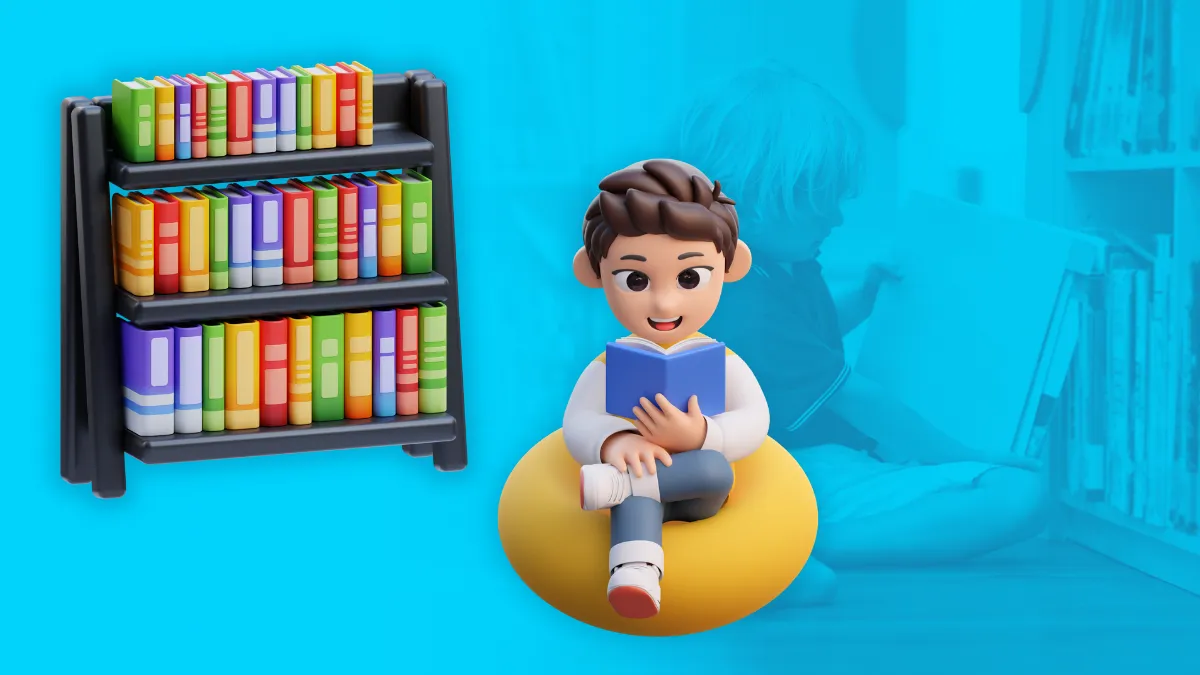
Every preschool classroom needs a special spot for reading. Create a cozy corner that feels like a little hideaway. Start with a small tent or canopy – you can easily make one use a hula hoop and some pretty fabric. Add soft cushions, bean bags, or a small rug to make it extra comfy.
Fill a low bookshelf or some colorful baskets with picture books. Hang string lights or battery-operated lanterns to give it a magical glow. This special reading nook will make story time feel like an adventure. It’s also a perfect quiet space for children who need a little break from the busy classroom.
3. Interactive Weather Station: Learning About the World Outside
Kids love talking about the weather, so why not make it a daily learning activity? Create a fun weather station on one of your classroom walls. Include a simple calendar, a temperature chart, and pictures representing different types of weather – sunny, rainy, cloudy, and snowy.
Each day, choose a “weather helper” to update the station. They can look outside, decide what the weather is like, and place the right picture on the board. It’s a great way to teach observation skills and introduce basic weather concepts. Plus, it’s an activity they’ll look forward to every morning!
4. Nature’s Art Gallery: Bringing the Outdoors In
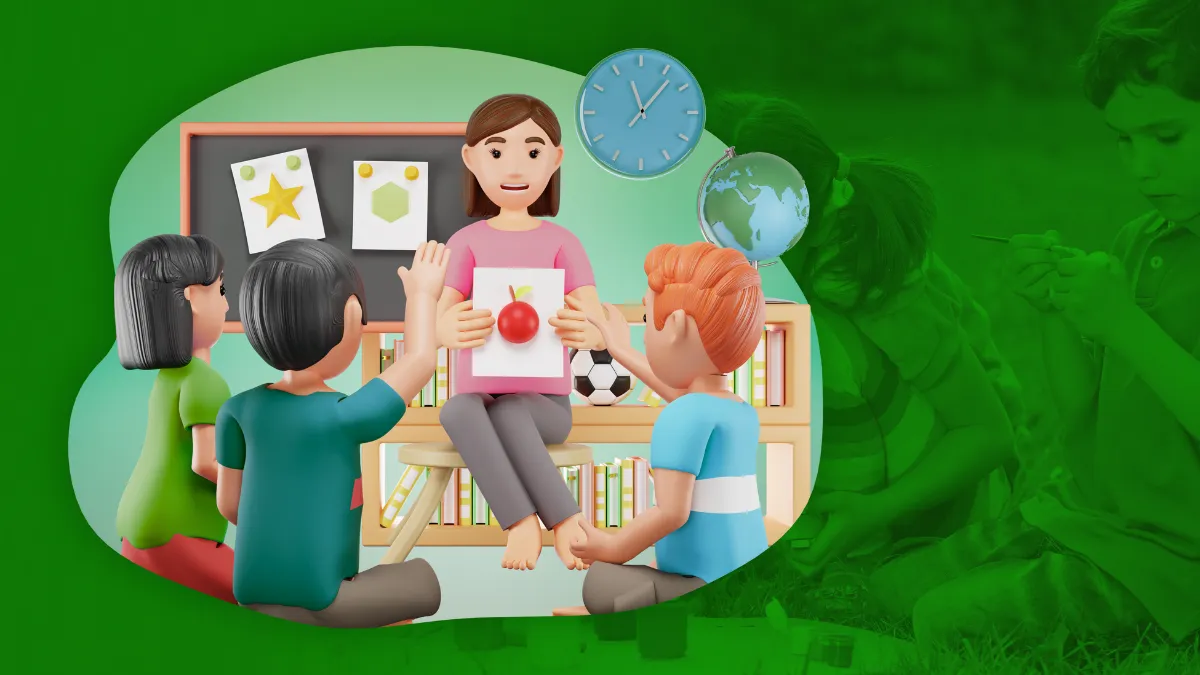
Preschoolers are natural explorers who love collecting treasures from outside. Turn this into a learning opportunity by creating a nature display area. Set up a low table or a corner of a shelf as your “Nature’s Art Gallery”
Encourage your little ones to bring in interesting leaves, pebbles, feathers, or shells they find. Help them arrange these items in creative ways. You can even provide magnifying glasses for closer observation. This hands-on display connects children with nature and sparks curiosity about the world around them.
5. The Kindness Garden: Nurturing Emotional Growth
Emotions can be tricky for little ones to understand. Create a “Kindness Garden” on one of your classroom walls to help children learn about feelings and good behavior. Start with a big paper or felt background in gentle colors.
Cut out flower shapes from colorful paper. When a child does something kind or shows good emotional understanding, write it on a flower and add it to the garden. “Sarah shared her crayons,” or “Alex helped a friend who was sad.” Watch your kindness garden grow throughout the year, reinforcing positive behaviors and emotional intelligence.
6. The Number Neighborhood: Making Math Fun
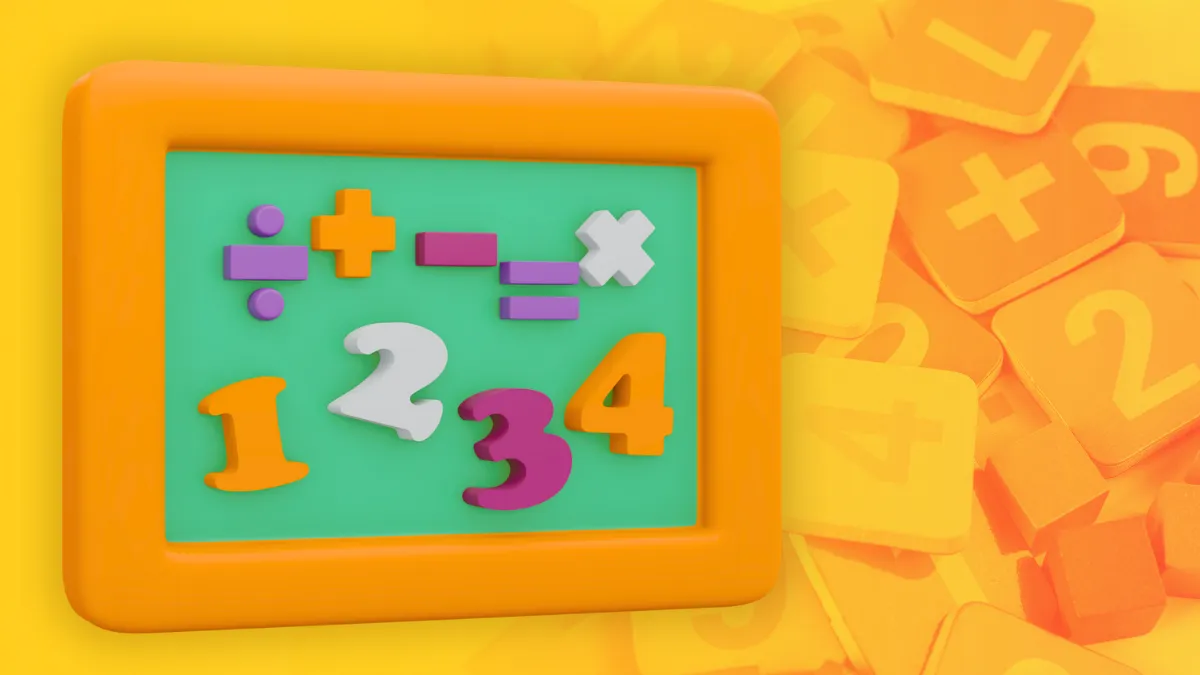
Math doesn’t have to be scary – even for preschoolers! Create a “Number Neighborhood” on one of your classroom walls. Draw simple house shapes and give each one a number from 1 to 10. Inside or around each house, place objects that match the number.
For example, the “1” house might have one sun, the “2” house could have two trees, and so on. Use a mix of drawings and real objects like buttons or pom-poms. This visual representation helps children connect numbers with quantities in a fun, memorable way.
7. Alphabet Zoo: Where Letters Come to Life
Turn your alphabet wall into a zoo of letter animals! For each letter, create or find a picture of an animal that starts with that sound. “A” could be for alligator, “B” for bear, “C” for cat, and so on.
Make it interactive by adding texture to some of the animals. A fuzzy felt sheep for “S,” or sandpaper scales for the “F” fish. This multi-sensory approach helps children remember letter sounds while having fun with animal themes.
8. The Dress-Up Station: Imagination Central
Dramatic play is crucial for preschoolers’ development. Set up a special corner for dress-up and pretend play. Use a clothing rack or hooks to hang various costumes – superhero capes, princess dresses, doctor coats, chef hats, and more.
Add a full-length mirror so kids can see their transformations. Include props like toy stethoscopes, play food, or a toy cash register to enhance their play scenarios. This area encourages creativity, language development, and social skills as children act out different roles.
9. The Achievement Aquarium: Celebrating Every Success
Create a big paper aquarium on one of your classroom walls. Cut out different fish shapes from colorful paper. When a child reaches a milestone or shows improvement in any area, write it on a fish and add it to the aquarium.
“Joey learned to zip his jacket,” or “Maria wrote her name.” This visual representation of achievements boosts confidence and motivates children to keep learning and trying new things. Plus, it’s a great way to show parents their child’s progress throughout the year.
10. The Sensory Wall: A Touchable Learning Experience
Preschoolers learn best when they can use all their senses. Create a sensory wall with different textures and interactive elements. You can use a large pegboard as your base, making it easy to change and rearrange items.
Add things like:
This wall provides a great opportunity for tactile exploration and fine motor skill development. It’s also a perfect activity for children who need sensory input or a calming activity.
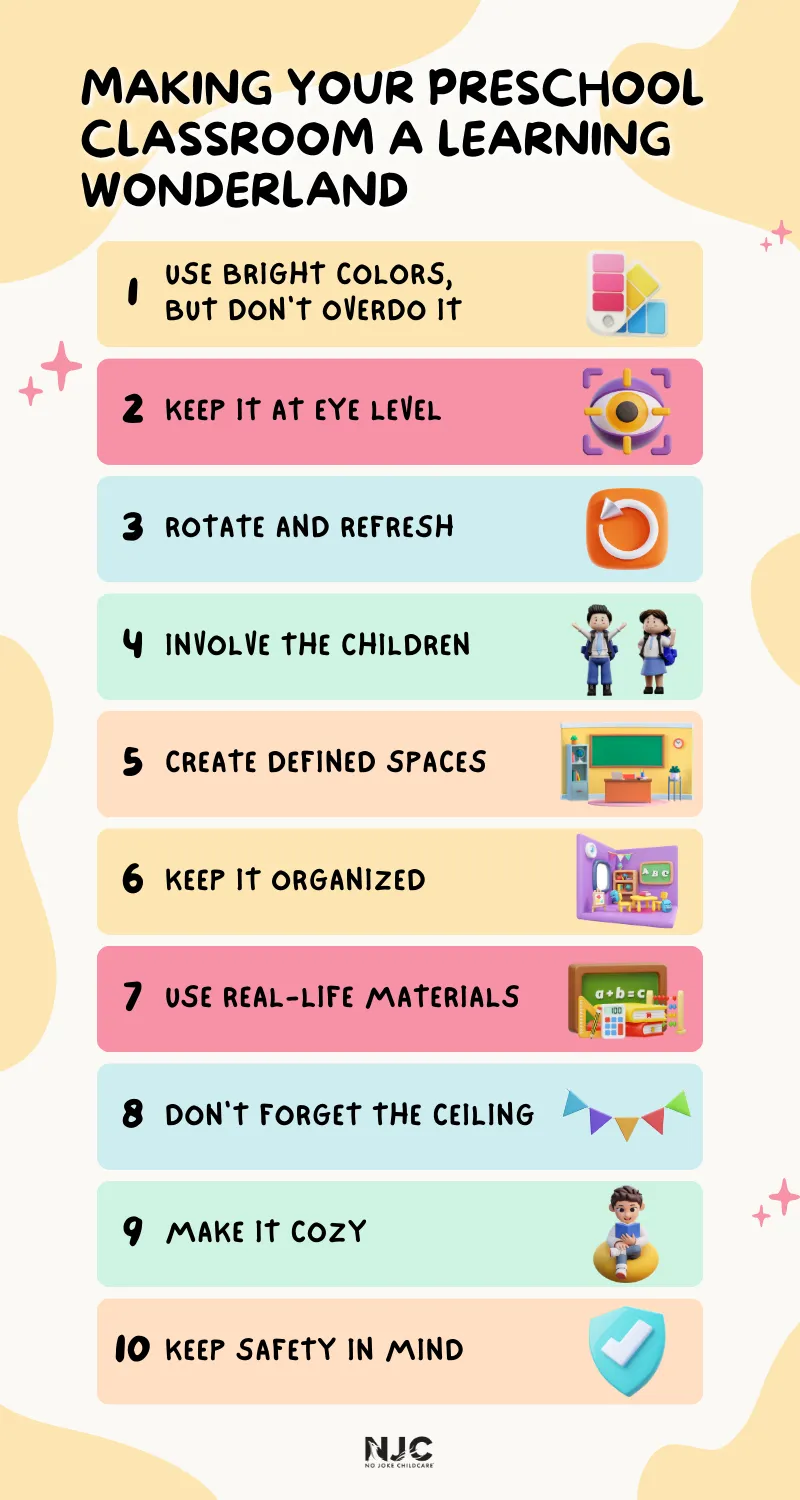
Making Your Preschool Classroom a Learning Wonderland
Remember, the key to effective preschool classroom decoration is to create an environment that’s both fun and functional. Every area of your room can be a learning opportunity. Here are some general tips to keep in mind:
Use Bright Colors, But Don’t Overdo It
Preschoolers are attracted to bright, cheerful colors. However, too much color can be overwhelming. Strike a balance by using a neutral base (like white or light gray walls) and adding pops of color through your decorations and learning materials.
Keep It at Eye Level
Make sure your displays and interactive areas are at the right height for your little learners. They should be able to see and reach materials easily. This encourages independence and participation.
Rotate and Refresh
Keep your classroom excited by changing decorations and learning materials regularly. This could be as simple as switching out books in your reading nook or changing the theme of your sensory wall. It keeps the environment fresh and stimulating for your preschoolers.
Involve the Children
Let your little ones help with decorating! They can contribute artwork, help arrange the nature display, or suggest ideas for the dress-up corner. This gives them a sense of ownership and pride in their classroom.
Create Defined Spaces
While it’s great to have an open, flexible classroom, it’s also important to have clearly defined areas for different activities. Use rugs, low shelves, or even tape on the floor to create boundaries between your reading nook, art area, and play spaces.
Keep It Organized
A cluttered classroom can be distracting and overwhelming for young children. Use labeled bins, shelves, and cubbies to keep materials organized. This not only makes your room look neater but also teaches children about organization and responsibility.
Use Real-Life Materials
Incorporate real-world items into your decorations and learning stations. Real plants, clocks, calendars, and everyday objects used in dramatic play help connect classroom learning to the world outside.
Don’t Forget the Ceiling
The space above is often overlooked, but it’s important for preschool classroom decoration! Hang mobiles, paper lanterns, or even a canopy of leaves to create a magical overhead environment. Just make sure everything is securely fastened and doesn’t obstruct any safety features like sprinklers.
Make It Cozy
While bright and stimulating is good, it’s also important to have some cozy, calming spaces. Soft lighting, comfortable seating, and quiet corners help children regulate their emotions and provide spaces for them to relax when needed.
Keep Safety in Mind
Always prioritize safety in mind during your preschool room decoration. Avoid small objects that could be choking hazards, secure any heavy items, and make sure all materials used are non-toxic and age appropriate.
Bringing It All Together: Your Preschool Paradise
Creating an engaging and educational preschool environment doesn’t have to be expensive or time-consuming. With a little creativity and some DIY spirit, you can transform your classroom into a wonderland of learning opportunities.
Remember, the goal is to create a space that sparks curiosity, encourages exploration, and makes learning fun. Each area of your classroom should invite children to touch, explore, and discover. From your cozy reading nook to your interactive weather station, every corner becomes a chance for a new adventure in learning.
As you implement these preschool classroom decoration ideas, you’ll likely find that your students are more engaged, more excited to learn, and more comfortable in their environment. A well-decorated classroom isn’t just about looking good – it’s about creating a space where young minds can flourish.
And don’t forget, these preschool decoration ideas aren’t just beneficial for the children – they can also be a powerful marketing tool for your daycare or preschool. Parents touring your facility will be impressed by the thought and care you’ve put into creating an optimal learning environment. It shows that you understand the unique needs of young learners and are committed to providing the best possible experience for their children.
Conclusion
Creating an inspiring preschool environment is key to nurturing young minds and impressing parents. These preschool class decoration ideas can transform your classroom into a wonderland of learning, boosting engagement and excitement. Remember, a well-decorated classroom isn’t just about looks – it’s about creating a space where children can flourish and grow.
Ready to take your preschool to the next level? Schedule a free strategy call with No Joke Childcare today and let’s unlock your center’s full potential!
Welcome to the colorful world of preschool classroom decoration! Children’s learning spaces are more than just rooms – they’re an area where young minds bloom and grow. Creating an inviting, stimulating environment doesn’t have to break the bank or take up all your precious time.
With a dash of creativity and a sprinkle of DIY spirit, you can transform your preschool classroom into a wonderland that sparks curiosity and makes learning an adventure. Let’s explore some fun preschool classroom decoration ideas that will have your little learners (and their parents) wide-eyed with wonder!
1. The Learning Tree: A Growing Display of Knowledge
Imagine a big, friendly tree on your classroom wall. This isn’t just any tree – it’s a learning tree! Start with a simple trunk and bare branches made from brown craft paper. As your little ones learn new things, add colorful leaves to the branches. Each leaf can represent a new word, number, or concept they’ve mastered.
You can use different colors for different subjects. Green leaves for nature words, yellow for numbers, and pink for emotions. Watch your tree bloom throughout the year as your preschoolers grow and learn. It’s a visual celebration of their progress that they’ll be proud to show off to parents and visitors.
2. Cozy Reading Nook: A Quiet Corner for Book Lovers
Every preschool classroom needs a special spot for reading. Create a cozy corner that feels like a little hideaway. Start with a small tent or canopy – you can easily make one use a hula hoop and some pretty fabric. Add soft cushions, bean bags, or a small rug to make it extra comfy.
Fill a low bookshelf or some colorful baskets with picture books. Hang string lights or battery-operated lanterns to give it a magical glow. This special reading nook will make story time feel like an adventure. It’s also a perfect quiet space for children who need a little break from the busy classroom.
3. Interactive Weather Station: Learning About the World Outside
Kids love talking about the weather, so why not make it a daily learning activity? Create a fun weather station on one of your classroom walls. Include a simple calendar, a temperature chart, and pictures representing different types of weather – sunny, rainy, cloudy, and snowy.
Each day, choose a “weather helper” to update the station. They can look outside, decide what the weather is like, and place the right picture on the board. It’s a great way to teach observation skills and introduce basic weather concepts. Plus, it’s an activity they’ll look forward to every morning!
4. Nature’s Art Gallery: Bringing the Outdoors In
Preschoolers are natural explorers who love collecting treasures from outside. Turn this into a learning opportunity by creating a nature display area. Set up a low table or a corner of a shelf as your “Nature’s Art Gallery”
Encourage your little ones to bring in interesting leaves, pebbles, feathers, or shells they find. Help them arrange these items in creative ways. You can even provide magnifying glasses for closer observation. This hands-on display connects children with nature and sparks curiosity about the world around them.
5. The Kindness Garden: Nurturing Emotional Growth
Emotions can be tricky for little ones to understand. Create a “Kindness Garden” on one of your classroom walls to help children learn about feelings and good behavior. Start with a big paper or felt background in gentle colors.
Cut out flower shapes from colorful paper. When a child does something kind or shows good emotional understanding, write it on a flower and add it to the garden. “Sarah shared her crayons,” or “Alex helped a friend who was sad.” Watch your kindness garden grow throughout the year, reinforcing positive behaviors and emotional intelligence.
6. The Number Neighborhood: Making Math Fun
Math doesn’t have to be scary – even for preschoolers! Create a “Number Neighborhood” on one of your classroom walls. Draw simple house shapes and give each one a number from 1 to 10. Inside or around each house, place objects that match the number.
For example, the “1” house might have one sun, the “2” house could have two trees, and so on. Use a mix of drawings and real objects like buttons or pom-poms. This visual representation helps children connect numbers with quantities in a fun, memorable way.
7. Alphabet Zoo: Where Letters Come to Life
Turn your alphabet wall into a zoo of letter animals! For each letter, create or find a picture of an animal that starts with that sound. “A” could be for alligator, “B” for bear, “C” for cat, and so on.
Make it interactive by adding texture to some of the animals. A fuzzy felt sheep for “S,” or sandpaper scales for the “F” fish. This multi-sensory approach helps children remember letter sounds while having fun with animal themes.
8. The Dress-Up Station: Imagination Central
Dramatic play is crucial for preschoolers’ development. Set up a special corner for dress-up and pretend play. Use a clothing rack or hooks to hang various costumes – superhero capes, princess dresses, doctor coats, chef hats, and more.
Add a full-length mirror so kids can see their transformations. Include props like toy stethoscopes, play food, or a toy cash register to enhance their play scenarios. This area encourages creativity, language development, and social skills as children act out different roles.
9. The Achievement Aquarium: Celebrating Every Success
Create a big paper aquarium on one of your classroom walls. Cut out different fish shapes from colorful paper. When a child reaches a milestone or shows improvement in any area, write it on a fish and add it to the aquarium.
“Joey learned to zip his jacket,” or “Maria wrote her name.” This visual representation of achievements boosts confidence and motivates children to keep learning and trying new things. Plus, it’s a great way to show parents their child’s progress throughout the year.
10. The Sensory Wall: A Touchable Learning Experience
Preschoolers learn best when they can use all their senses. Create a sensory wall with different textures and interactive elements. You can use a large pegboard as your base, making it easy to change and rearrange items.
Add things like:
This wall provides a great opportunity for tactile exploration and fine motor skill development. It’s also a perfect activity for children who need sensory input or a calming activity.
Making Your Preschool Classroom a Learning Wonderland
Remember, the key to effective preschool classroom decoration is to create an environment that’s both fun and functional. Every area of your room can be a learning opportunity. Here are some general tips to keep in mind:
Use Bright Colors, But Don’t Overdo It
Preschoolers are attracted to bright, cheerful colors. However, too much color can be overwhelming. Strike a balance by using a neutral base (like white or light gray walls) and adding pops of color through your decorations and learning materials.
Keep It at Eye Level
Make sure your displays and interactive areas are at the right height for your little learners. They should be able to see and reach materials easily. This encourages independence and participation.
Rotate and Refresh
Keep your classroom excited by changing decorations and learning materials regularly. This could be as simple as switching out books in your reading nook or changing the theme of your sensory wall. It keeps the environment fresh and stimulating for your preschoolers.
Involve the Children
Let your little ones help with decorating! They can contribute artwork, help arrange the nature display, or suggest ideas for the dress-up corner. This gives them a sense of ownership and pride in their classroom.
Create Defined Spaces
While it’s great to have an open, flexible classroom, it’s also important to have clearly defined areas for different activities. Use rugs, low shelves, or even tape on the floor to create boundaries between your reading nook, art area, and play spaces.
Keep It Organized
A cluttered classroom can be distracting and overwhelming for young children. Use labeled bins, shelves, and cubbies to keep materials organized. This not only makes your room look neater but also teaches children about organization and responsibility.
Use Real-Life Materials
Incorporate real-world items into your decorations and learning stations. Real plants, clocks, calendars, and everyday objects used in dramatic play help connect classroom learning to the world outside.
Don’t Forget the Ceiling
The space above is often overlooked, but it’s important for preschool classroom decoration! Hang mobiles, paper lanterns, or even a canopy of leaves to create a magical overhead environment. Just make sure everything is securely fastened and doesn’t obstruct any safety features like sprinklers.
Make It Cozy
While bright and stimulating is good, it’s also important to have some cozy, calming spaces. Soft lighting, comfortable seating, and quiet corners help children regulate their emotions and provide spaces for them to relax when needed.
Keep Safety in Mind
Always prioritize safety in mind during your preschool room decoration. Avoid small objects that could be choking hazards, secure any heavy items, and make sure all materials used are non-toxic and age appropriate.
Bringing It All Together: Your Preschool Paradise
Creating an engaging and educational preschool environment doesn’t have to be expensive or time-consuming. With a little creativity and some DIY spirit, you can transform your classroom into a wonderland of learning opportunities.
Remember, the goal is to create a space that sparks curiosity, encourages exploration, and makes learning fun. Each area of your classroom should invite children to touch, explore, and discover. From your cozy reading nook to your interactive weather station, every corner becomes a chance for a new adventure in learning.
As you implement these preschool classroom decoration ideas, you’ll likely find that your students are more engaged, more excited to learn, and more comfortable in their environment. A well-decorated classroom isn’t just about looking good – it’s about creating a space where young minds can flourish.
And don’t forget, these preschool decoration ideas aren’t just beneficial for the children – they can also be a powerful marketing tool for your daycare or preschool. Parents touring your facility will be impressed by the thought and care you’ve put into creating an optimal learning environment. It shows that you understand the unique needs of young learners and are committed to providing the best possible experience for their children.
Conclusion
Creating an inspiring preschool environment is key to nurturing young minds and impressing parents. These preschool class decoration ideas can transform your classroom into a wonderland of learning, boosting engagement and excitement. Remember, a well-decorated classroom isn’t just about looks – it’s about creating a space where children can flourish and grow.
Ready to take your preschool to the next level? Schedule a free strategy call with No Joke Childcare today and let’s unlock your center’s full potential!


