
I hope you enjoy reading this blog post.

If you want my team to just do your marketing for you, click here.


Partnering With Top Rated Childcare Companies: Benefits and Considerations

Published On: 03/03/2025By 8.4 min readCategories: Childcare CentersViews: 690
Childcare Companies

Childcare companies play a critical role in supporting families—but choosing the right one requires more than a quick Google search. Partnering with a top-rated provider can bring much-needed structure, peace of mind, and expert guidance to your daily routine. The benefits go beyond basic supervision; exceptional childcare companies understand modern parenting challenges and offer solutions that work.

From vague philosophies to one-size-fits-all approaches, key factors must be considered before deciding. In this article, we’ll explore the real advantages of working with a trusted childcare partner—and the essential considerations to remember as you search for the right fit for your family.

What Sets Exceptional Child Care Providers Apart
Child Care Providers

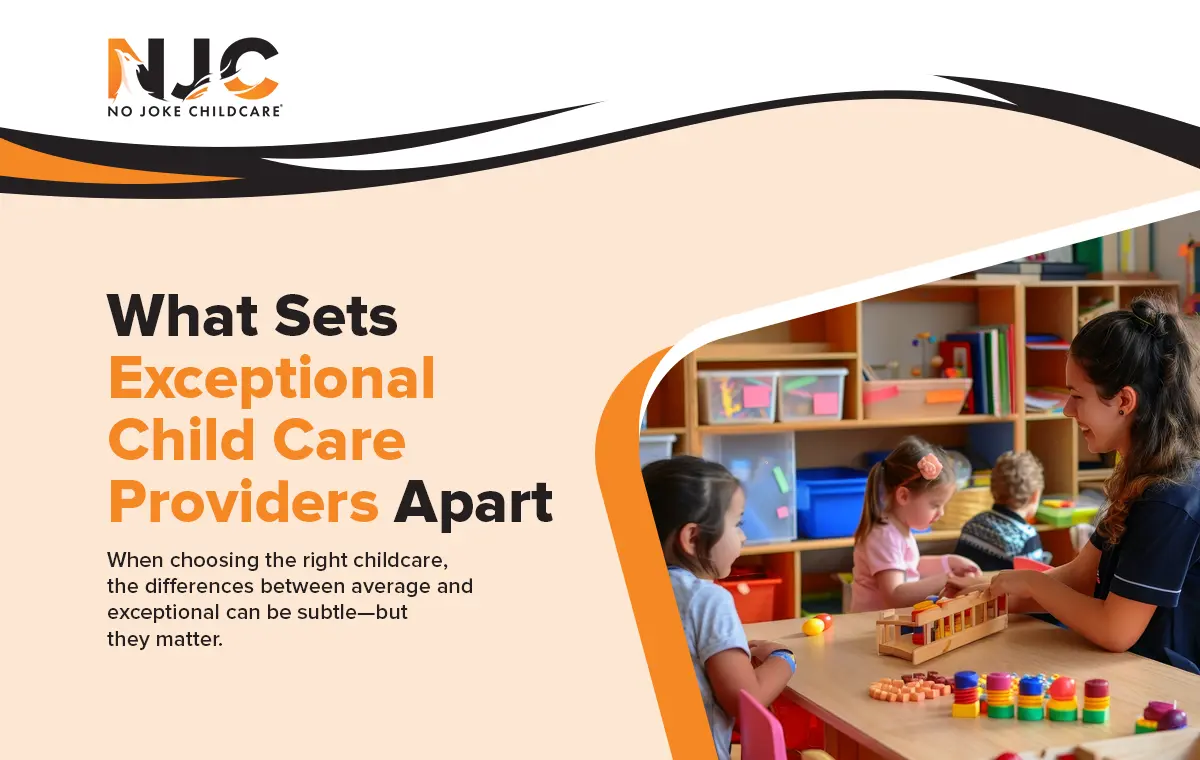
When choosing the right childcare, the differences between average and exceptional can be subtle—but they matter. The best child care providers don’t just supervise your child; they support their growth, your peace of mind, and the long-term well-being of your entire family. Here’s what to look for when aiming for more than just a warm body in the room.

Define the Role of a Structured Child Care Curriculum  

Exceptional care begins with excellent caregivers. The best providers prioritize training not as a checkbox but as a constant commitment to excellence and growth. They ensure their team is equipped with the right skills and mindset through:

  • Ongoing child development education: Staff stay current on best practices for emotional, cognitive, and behavioral support.

  • Safety and emergency readiness: CPR and first aid certifications are always up to date.

  • Behavioral guidance strategies: Caregivers are trained to respond to meltdowns with calm, consistent approaches that work.

  • Support for the staff: Regular coaching and check-ins help prevent burnout and keep quality high.

This investment in people translates directly to the quality of care your child receives daily.

Aligned With Your Parenting Values

Exceptional providers don’t force a cookie-cutter approach. Instead, they take the time to understand your family’s values and partner with you for consistency and trust. Signs of strong alignment include:

  • Respect for routines and culture: They honor your child’s needs and family’s preferences.

  • Consistent communication: You’re kept in the loop about what’s happening—no guessing or surprises.

  • Behavior handled thoughtfully: Discipline reflects shared values, not outdated or punitive methods.

  • Adaptability: They know every child is different and adjust their approach accordingly.

This level of respect and collaboration builds a sense of security for both parent and child.

Intentional Environment and Predictable Structure

The physical and emotional environment your child enters each day sets the tone for learning and development. The best providers create spaces that support exploration, independence, and calm. Look for environments that include:

  • Thoughtfully designed learning areas: Zones for creative play, reading, and sensory activities are clearly defined.

  • Age-appropriate materials: Toys and tools encourage curiosity—not just passive entertainment.

  • Predictable daily rhythms: Consistent mealtimes, naps, and transitions help kids feel grounded.

  • Clean, safe, and welcoming spaces: You should feel confident walking in—and your child should feel comfortable staying.

When structure and creativity are in balance, children thrive emotionally and cognitively.

The Power of Early Learning Partnerships
Power of Early Learning Partnerships 

Early childhood is a critical window for emotional, cognitive, and social development—and no parent should have to navigate it alone. That’s where early learning partnerships come in. When families and childcare providers work together intentionally, children receive consistent, meaningful support that shapes how they learn, connect, and grow.

A Shared Approach to Learning and Development

Strong early learning partnerships are built on alignment. When parents and providers share goals, children benefit from consistent expectations and a more grounded sense of safety and direction. Here’s what that shared approach often looks like:

  • Clear developmental goals: Both sides understand what milestones are supported and how.

  • Open communication channels: There are regular check-ins—not just when there’s a problem.

  • Mutual respect for expertise: Parents bring deep knowledge of their child; educators bring training and perspective.

  • Support during transitions: There’s a game plan from potty training to separation anxiety.

This level of collaboration helps children experience learning as fluid and familiar, whether at home or in care.

Stronger Social-Emotional Outcomes for Kids

Children thrive when the adults in their lives are on the same page. Early learning partnerships make that possible by reinforcing emotional language, regulation tools, and social expectations across both settings. These partnerships help support emotional growth through the following:

  • Consistent boundaries: Kids feel safer and more in control when rules and routines match at home and in care.

  • Aligned language and tools: Parents can use the same ones at home if a child learns calming strategies in care.

  • Shared feedback: Changes in behavior are noticed sooner and addressed more effectively together.

  • Emotional attunement: Providers better understand what’s normal for your child—and what needs attention.

That emotional continuity creates trust, the foundation for healthy relationships and confident learning.

Empowered Parents, Engaged Kids

One often overlooked benefit of strong early learning partnerships? Parents feel more confident—and kids pick up on that. When you know your child is being supported by someone who truly understands them (and listens to you), it shifts the entire parenting dynamic. Look for partnerships that foster:

  • Parent education and support: Workshops, resources, or a caregiver available to discuss things.

  • Transparency in progress: You know what’s going well and what needs work—not just vague “they had a good day” updates.

  • Inclusion in learning goals: Your input helps shape what your child is focusing on.

  • Celebrating growth: Providers share wins with you, reinforcing the joy in small milestones.

When parents and providers work as a team, the child isn’t the only one who grows—everyone benefits.

Why Quality Assurance Matters in Childcare
Quality Assurance

When trusting someone else with your child, “good enough” isn’t enough. Quality assurance in childcare isn’t about perfection but accountability, consistency, and safety. The systems behind the scenes ensure your child isn’t just being watched but genuinely cared for in a thoughtful, secure, and developmentally appropriate environment. Knowing how they approach quality assurance is non-negotiable if you partner with a childcare provider.

Safety Is the Foundation

You can’t build a strong learning environment without a rock-solid commitment to safety. The best childcare providers have protocols in place that go beyond the basics. They don’t just meet the minimum standards—they raise the bar. Here’s what high-quality safety assurance often includes:

  • Strict adherence to licensing requirements: The provider is fully licensed and regularly inspected by state or local agencies.

  • Background checks for all staff: Everyone interacting with children has passed comprehensive screenings.

  • Daily safety checks: Environments are checked for cleanliness, hazards, and equipment setup.

  • Clear emergency protocols: Staff are trained and practiced in handling everything from medical emergencies to fire drills.

  • Secure access policies: Only authorized adults can pick up children, and facilities have secure entry systems.

These aren’t just checkboxes—they’re safeguards that let parents breathe easier and focus on their day, knowing their child is in good hands.

Staff Training and Consistency

Quality assurance isn’t just about what happens when you’re watching—it’s about what happens all the time. Consistent, skilled caregivers are central to a positive childcare experience, and maintaining that consistency takes deliberate effort. Look for programs that prioritize:

  • Ongoing professional development: Staff continuously learn through courses, certifications, or workshops.

  • Performance monitoring: Supervisors observe and provide feedback regularly—not just once a year.

  • Low staff turnover: Children thrive with familiar faces; low turnover reflects a healthy, supported team.

  • Clear behavior guidance policies: Staff can handle challenging moments with calm, developmentally appropriate responses.

  • Team communication protocols: Everyone knows about daily routines, challenges, and individual child needs.

You shouldn’t have to wonder what your child did all day. High-quality providers keep families in the loop, not just when there’s a problem, but as a standard part of their care model. Strong communication practices often include:

Transparent Communication With Families

You shouldn’t have to wonder what your child did all day. High-quality providers keep families in the loop, not just when there’s a problem, but as a standard part of their care model. Strong communication practices often include:

  • Daily reports or digital updates: You know when your child ate, napped, played, and learned—every day.

  • Parent-teacher conferences: These aren’t just for school—good providers schedule regular developmental check-ins.

  • Open-door policies: Families can visit, ask questions, and observe.

  • Clear escalation paths: If you have a concern, there’s a process to address it quickly and respectfully.

  • Consistent documentation: Incident reports, milestones, and observations are recorded and shared.

This transparency isn’t just lovely—it’s a sign that the provider is confident, organized, and committed to partnership.

A Culture of Continuous Improvement

The best childcare companies don’t just meet standards—they challenge themselves to exceed them. Quality assurance also means looking inward: assessing what’s working, what’s not, and how to improve. Top-tier programs demonstrate this through:

  • Regular internal audits: They review practices, environments, and staff feedback to identify areas for improvement.

  • Parent satisfaction surveys: Your input matters—and it’s used to make fundamental changes.

  • Accreditation efforts: Many pursue national accreditations that go above state licensing.

  • Incorporating feedback into policy: Suggestions from staff and families inform decision-making.

  • Staying current: They’re up to date with the latest in early childhood education and safety.

This mindset of growth sets exceptional providers apart. They don’t wait for problems—they prevent them and evolve with the needs of the families they serve.

Conclusion

Selecting the right childcare company is one of the most important decisions a family can make. It’s about convenience, trust, alignment, and long-term impact. From partnering with experienced child care providers to building meaningful early learning partnerships to ensuring robust quality assurance, the right provider becomes a valuable extension of your family’s support system. When families and childcare professionals work together with transparency, consistency, and shared purpose, children thrive—and parents feel genuinely supported. That’s the power of choosing a provider committed to excellence in every detail.

At No Joke Childcare, we pride ourselves in offering intentional, high-quality care that supports children and parents. If you’re looking for a provider who understands the realities of modern parenting and leads with professionalism and compassion, reach out to us or call (706) 899-3707. We’d be honored to learn more about your family’s needs.

Do you want
more traffic?

Stop wasting money and unlock the hidden potential of your advertising.

Are you using Google Ads

Try our new free ads grader?

Boost your childcare center's ROI with Michael Tasner, Founder of No Joke Childcare. With his extensive experience and expertise in childcare marketing, Michael Tasner offers innovative strategies tailored to the unique needs of your center. From web 3.0 marketing to social media strategies, he'll guide you to achieve maximum visibility and generate quality leads. Don't miss out on this opportunity to supercharge your marketing efforts and position your center for success.

About Michael Tasner

Hey, I'm Michael Tasner. I'm determined to make your childcare center grow. My only question is, will it be yours?

Categories
Childcare Companies
Published On: 03/03/20258.4 min readViews: 690

Childcare companies play a critical role in supporting families—but choosing the right one requires more than a quick Google search. Partnering with a top-rated provider can bring much-needed structure, peace of mind, and expert guidance to your daily routine. The benefits go beyond basic supervision; exceptional childcare companies understand modern parenting challenges and offer solutions that work.

From vague philosophies to one-size-fits-all approaches, key factors must be considered before deciding. In this article, we’ll explore the real advantages of working with a trusted childcare partner—and the essential considerations to remember as you search for the right fit for your family.

What Sets Exceptional Child Care Providers Apart

Child Care Providers

When choosing the right childcare, the differences between average and exceptional can be subtle—but they matter. The best child care providers don’t just supervise your child; they support their growth, your peace of mind, and the long-term well-being of your entire family. Here’s what to look for when aiming for more than just a warm body in the room.

Define the Role of a Structured Child Care Curriculum  

Exceptional care begins with excellent caregivers. The best providers prioritize training not as a checkbox but as a constant commitment to excellence and growth. They ensure their team is equipped with the right skills and mindset through:

  • Ongoing child development education: Staff stay current on best practices for emotional, cognitive, and behavioral support.

  • Safety and emergency readiness: CPR and first aid certifications are always up to date.

  • Behavioral guidance strategies: Caregivers are trained to respond to meltdowns with calm, consistent approaches that work.

  • Support for the staff: Regular coaching and check-ins help prevent burnout and keep quality high.

This investment in people translates directly to the quality of care your child receives daily.

Aligned With Your Parenting Values

Exceptional providers don’t force a cookie-cutter approach. Instead, they take the time to understand your family’s values and partner with you for consistency and trust. Signs of strong alignment include:

  • Respect for routines and culture: They honor your child’s needs and family’s preferences.

  • Consistent communication: You’re kept in the loop about what’s happening—no guessing or surprises.

  • Behavior handled thoughtfully: Discipline reflects shared values, not outdated or punitive methods.

  • Adaptability: They know every child is different and adjust their approach accordingly.

This level of respect and collaboration builds a sense of security for both parent and child.

Intentional Environment and Predictable Structure

The physical and emotional environment your child enters each day sets the tone for learning and development. The best providers create spaces that support exploration, independence, and calm. Look for environments that include:

  • Thoughtfully designed learning areas: Zones for creative play, reading, and sensory activities are clearly defined.

  • Age-appropriate materials: Toys and tools encourage curiosity—not just passive entertainment.

  • Predictable daily rhythms: Consistent mealtimes, naps, and transitions help kids feel grounded.

  • Clean, safe, and welcoming spaces: You should feel confident walking in—and your child should feel comfortable staying.

When structure and creativity are in balance, children thrive emotionally and cognitively.

The Power of Early Learning Partnerships

Power of Early Learning Partnerships 

Early childhood is a critical window for emotional, cognitive, and social development—and no parent should have to navigate it alone. That’s where early learning partnerships come in. When families and childcare providers work together intentionally, children receive consistent, meaningful support that shapes how they learn, connect, and grow.

A Shared Approach to Learning and Development

Strong early learning partnerships are built on alignment. When parents and providers share goals, children benefit from consistent expectations and a more grounded sense of safety and direction. Here’s what that shared approach often looks like:

  • Clear developmental goals: Both sides understand what milestones are supported and how.

  • Open communication channels: There are regular check-ins—not just when there’s a problem.

  • Mutual respect for expertise: Parents bring deep knowledge of their child; educators bring training and perspective.

  • Support during transitions: There’s a game plan from potty training to separation anxiety.

This level of collaboration helps children experience learning as fluid and familiar, whether at home or in care.

Stronger Social-Emotional Outcomes for Kids

Children thrive when the adults in their lives are on the same page. Early learning partnerships make that possible by reinforcing emotional language, regulation tools, and social expectations across both settings. These partnerships help support emotional growth through the following:

  • Consistent boundaries: Kids feel safer and more in control when rules and routines match at home and in care.

  • Aligned language and tools: Parents can use the same ones at home if a child learns calming strategies in care.

  • Shared feedback: Changes in behavior are noticed sooner and addressed more effectively together.

  • Emotional attunement: Providers better understand what’s normal for your child—and what needs attention.

That emotional continuity creates trust, the foundation for healthy relationships and confident learning.

Empowered Parents, Engaged Kids

One often overlooked benefit of strong early learning partnerships? Parents feel more confident—and kids pick up on that. When you know your child is being supported by someone who truly understands them (and listens to you), it shifts the entire parenting dynamic. Look for partnerships that foster:

  • Parent education and support: Workshops, resources, or a caregiver available to discuss things.

  • Transparency in progress: You know what’s going well and what needs work—not just vague “they had a good day” updates.

  • Inclusion in learning goals: Your input helps shape what your child is focusing on.

  • Celebrating growth: Providers share wins with you, reinforcing the joy in small milestones.

When parents and providers work as a team, the child isn’t the only one who grows—everyone benefits.

Why Quality Assurance Matters in Childcare

Quality Assurance

When trusting someone else with your child, “good enough” isn’t enough. Quality assurance in childcare isn’t about perfection but accountability, consistency, and safety. The systems behind the scenes ensure your child isn’t just being watched but genuinely cared for in a thoughtful, secure, and developmentally appropriate environment. Knowing how they approach quality assurance is non-negotiable if you partner with a childcare provider.

Safety Is the Foundation

You can’t build a strong learning environment without a rock-solid commitment to safety. The best childcare providers have protocols in place that go beyond the basics. They don’t just meet the minimum standards—they raise the bar. Here’s what high-quality safety assurance often includes:

  • Strict adherence to licensing requirements: The provider is fully licensed and regularly inspected by state or local agencies.

  • Background checks for all staff: Everyone interacting with children has passed comprehensive screenings.

  • Daily safety checks: Environments are checked for cleanliness, hazards, and equipment setup.

  • Clear emergency protocols: Staff are trained and practiced in handling everything from medical emergencies to fire drills.

  • Secure access policies: Only authorized adults can pick up children, and facilities have secure entry systems.

These aren’t just checkboxes—they’re safeguards that let parents breathe easier and focus on their day, knowing their child is in good hands.

Staff Training and Consistency

Quality assurance isn’t just about what happens when you’re watching—it’s about what happens all the time. Consistent, skilled caregivers are central to a positive childcare experience, and maintaining that consistency takes deliberate effort. Look for programs that prioritize:

  • Ongoing professional development: Staff continuously learn through courses, certifications, or workshops.

  • Performance monitoring: Supervisors observe and provide feedback regularly—not just once a year.

  • Low staff turnover: Children thrive with familiar faces; low turnover reflects a healthy, supported team.

  • Clear behavior guidance policies: Staff can handle challenging moments with calm, developmentally appropriate responses.

  • Team communication protocols: Everyone knows about daily routines, challenges, and individual child needs.

You shouldn’t have to wonder what your child did all day. High-quality providers keep families in the loop, not just when there’s a problem, but as a standard part of their care model. Strong communication practices often include:

Transparent Communication With Families

You shouldn’t have to wonder what your child did all day. High-quality providers keep families in the loop, not just when there’s a problem, but as a standard part of their care model. Strong communication practices often include:

  • Daily reports or digital updates: You know when your child ate, napped, played, and learned—every day.

  • Parent-teacher conferences: These aren’t just for school—good providers schedule regular developmental check-ins.

  • Open-door policies: Families can visit, ask questions, and observe.

  • Clear escalation paths: If you have a concern, there’s a process to address it quickly and respectfully.

  • Consistent documentation: Incident reports, milestones, and observations are recorded and shared.

This transparency isn’t just lovely—it’s a sign that the provider is confident, organized, and committed to partnership.

A Culture of Continuous Improvement

The best childcare companies don’t just meet standards—they challenge themselves to exceed them. Quality assurance also means looking inward: assessing what’s working, what’s not, and how to improve. Top-tier programs demonstrate this through:

  • Regular internal audits: They review practices, environments, and staff feedback to identify areas for improvement.

  • Parent satisfaction surveys: Your input matters—and it’s used to make fundamental changes.

  • Accreditation efforts: Many pursue national accreditations that go above state licensing.

  • Incorporating feedback into policy: Suggestions from staff and families inform decision-making.

  • Staying current: They’re up to date with the latest in early childhood education and safety.

This mindset of growth sets exceptional providers apart. They don’t wait for problems—they prevent them and evolve with the needs of the families they serve.

Conclusion

Selecting the right childcare company is one of the most important decisions a family can make. It’s about convenience, trust, alignment, and long-term impact. From partnering with experienced child care providers to building meaningful early learning partnerships to ensuring robust quality assurance, the right provider becomes a valuable extension of your family’s support system. When families and childcare professionals work together with transparency, consistency, and shared purpose, children thrive—and parents feel genuinely supported. That’s the power of choosing a provider committed to excellence in every detail.

At No Joke Childcare, we pride ourselves in offering intentional, high-quality care that supports children and parents. If you’re looking for a provider who understands the realities of modern parenting and leads with professionalism and compassion, reach out to us or call (706) 899-3707. We’d be honored to learn more about your family’s needs.

Childcare Companies
Published On: 03/03/20258.4 min readViews: 690

Childcare companies play a critical role in supporting families—but choosing the right one requires more than a quick Google search. Partnering with a top-rated provider can bring much-needed structure, peace of mind, and expert guidance to your daily routine. The benefits go beyond basic supervision; exceptional childcare companies understand modern parenting challenges and offer solutions that work.

From vague philosophies to one-size-fits-all approaches, key factors must be considered before deciding. In this article, we’ll explore the real advantages of working with a trusted childcare partner—and the essential considerations to remember as you search for the right fit for your family.

What Sets Exceptional Child Care Providers Apart

Child Care Providers

When choosing the right childcare, the differences between average and exceptional can be subtle—but they matter. The best child care providers don’t just supervise your child; they support their growth, your peace of mind, and the long-term well-being of your entire family. Here’s what to look for when aiming for more than just a warm body in the room.

Define the Role of a Structured Child Care Curriculum  

Exceptional care begins with excellent caregivers. The best providers prioritize training not as a checkbox but as a constant commitment to excellence and growth. They ensure their team is equipped with the right skills and mindset through:

  • Ongoing child development education: Staff stay current on best practices for emotional, cognitive, and behavioral support.

  • Safety and emergency readiness: CPR and first aid certifications are always up to date.

  • Behavioral guidance strategies: Caregivers are trained to respond to meltdowns with calm, consistent approaches that work.

  • Support for the staff: Regular coaching and check-ins help prevent burnout and keep quality high.

This investment in people translates directly to the quality of care your child receives daily.

Aligned With Your Parenting Values

Exceptional providers don’t force a cookie-cutter approach. Instead, they take the time to understand your family’s values and partner with you for consistency and trust. Signs of strong alignment include:

  • Respect for routines and culture: They honor your child’s needs and family’s preferences.

  • Consistent communication: You’re kept in the loop about what’s happening—no guessing or surprises.

  • Behavior handled thoughtfully: Discipline reflects shared values, not outdated or punitive methods.

  • Adaptability: They know every child is different and adjust their approach accordingly.

This level of respect and collaboration builds a sense of security for both parent and child.

Intentional Environment and Predictable Structure

The physical and emotional environment your child enters each day sets the tone for learning and development. The best providers create spaces that support exploration, independence, and calm. Look for environments that include:

  • Thoughtfully designed learning areas: Zones for creative play, reading, and sensory activities are clearly defined.

  • Age-appropriate materials: Toys and tools encourage curiosity—not just passive entertainment.

  • Predictable daily rhythms: Consistent mealtimes, naps, and transitions help kids feel grounded.

  • Clean, safe, and welcoming spaces: You should feel confident walking in—and your child should feel comfortable staying.

When structure and creativity are in balance, children thrive emotionally and cognitively.

The Power of Early Learning Partnerships

Power of Early Learning Partnerships 

Early childhood is a critical window for emotional, cognitive, and social development—and no parent should have to navigate it alone. That’s where early learning partnerships come in. When families and childcare providers work together intentionally, children receive consistent, meaningful support that shapes how they learn, connect, and grow.

A Shared Approach to Learning and Development

Strong early learning partnerships are built on alignment. When parents and providers share goals, children benefit from consistent expectations and a more grounded sense of safety and direction. Here’s what that shared approach often looks like:

  • Clear developmental goals: Both sides understand what milestones are supported and how.

  • Open communication channels: There are regular check-ins—not just when there’s a problem.

  • Mutual respect for expertise: Parents bring deep knowledge of their child; educators bring training and perspective.

  • Support during transitions: There’s a game plan from potty training to separation anxiety.

This level of collaboration helps children experience learning as fluid and familiar, whether at home or in care.

Stronger Social-Emotional Outcomes for Kids

Children thrive when the adults in their lives are on the same page. Early learning partnerships make that possible by reinforcing emotional language, regulation tools, and social expectations across both settings. These partnerships help support emotional growth through the following:

  • Consistent boundaries: Kids feel safer and more in control when rules and routines match at home and in care.

  • Aligned language and tools: Parents can use the same ones at home if a child learns calming strategies in care.

  • Shared feedback: Changes in behavior are noticed sooner and addressed more effectively together.

  • Emotional attunement: Providers better understand what’s normal for your child—and what needs attention.

That emotional continuity creates trust, the foundation for healthy relationships and confident learning.

Empowered Parents, Engaged Kids

One often overlooked benefit of strong early learning partnerships? Parents feel more confident—and kids pick up on that. When you know your child is being supported by someone who truly understands them (and listens to you), it shifts the entire parenting dynamic. Look for partnerships that foster:

  • Parent education and support: Workshops, resources, or a caregiver available to discuss things.

  • Transparency in progress: You know what’s going well and what needs work—not just vague “they had a good day” updates.

  • Inclusion in learning goals: Your input helps shape what your child is focusing on.

  • Celebrating growth: Providers share wins with you, reinforcing the joy in small milestones.

When parents and providers work as a team, the child isn’t the only one who grows—everyone benefits.

Why Quality Assurance Matters in Childcare

Quality Assurance

When trusting someone else with your child, “good enough” isn’t enough. Quality assurance in childcare isn’t about perfection but accountability, consistency, and safety. The systems behind the scenes ensure your child isn’t just being watched but genuinely cared for in a thoughtful, secure, and developmentally appropriate environment. Knowing how they approach quality assurance is non-negotiable if you partner with a childcare provider.

Safety Is the Foundation

You can’t build a strong learning environment without a rock-solid commitment to safety. The best childcare providers have protocols in place that go beyond the basics. They don’t just meet the minimum standards—they raise the bar. Here’s what high-quality safety assurance often includes:

  • Strict adherence to licensing requirements: The provider is fully licensed and regularly inspected by state or local agencies.

  • Background checks for all staff: Everyone interacting with children has passed comprehensive screenings.

  • Daily safety checks: Environments are checked for cleanliness, hazards, and equipment setup.

  • Clear emergency protocols: Staff are trained and practiced in handling everything from medical emergencies to fire drills.

  • Secure access policies: Only authorized adults can pick up children, and facilities have secure entry systems.

These aren’t just checkboxes—they’re safeguards that let parents breathe easier and focus on their day, knowing their child is in good hands.

Staff Training and Consistency

Quality assurance isn’t just about what happens when you’re watching—it’s about what happens all the time. Consistent, skilled caregivers are central to a positive childcare experience, and maintaining that consistency takes deliberate effort. Look for programs that prioritize:

  • Ongoing professional development: Staff continuously learn through courses, certifications, or workshops.

  • Performance monitoring: Supervisors observe and provide feedback regularly—not just once a year.

  • Low staff turnover: Children thrive with familiar faces; low turnover reflects a healthy, supported team.

  • Clear behavior guidance policies: Staff can handle challenging moments with calm, developmentally appropriate responses.

  • Team communication protocols: Everyone knows about daily routines, challenges, and individual child needs.

You shouldn’t have to wonder what your child did all day. High-quality providers keep families in the loop, not just when there’s a problem, but as a standard part of their care model. Strong communication practices often include:

Transparent Communication With Families

You shouldn’t have to wonder what your child did all day. High-quality providers keep families in the loop, not just when there’s a problem, but as a standard part of their care model. Strong communication practices often include:

  • Daily reports or digital updates: You know when your child ate, napped, played, and learned—every day.

  • Parent-teacher conferences: These aren’t just for school—good providers schedule regular developmental check-ins.

  • Open-door policies: Families can visit, ask questions, and observe.

  • Clear escalation paths: If you have a concern, there’s a process to address it quickly and respectfully.

  • Consistent documentation: Incident reports, milestones, and observations are recorded and shared.

This transparency isn’t just lovely—it’s a sign that the provider is confident, organized, and committed to partnership.

A Culture of Continuous Improvement

The best childcare companies don’t just meet standards—they challenge themselves to exceed them. Quality assurance also means looking inward: assessing what’s working, what’s not, and how to improve. Top-tier programs demonstrate this through:

  • Regular internal audits: They review practices, environments, and staff feedback to identify areas for improvement.

  • Parent satisfaction surveys: Your input matters—and it’s used to make fundamental changes.

  • Accreditation efforts: Many pursue national accreditations that go above state licensing.

  • Incorporating feedback into policy: Suggestions from staff and families inform decision-making.

  • Staying current: They’re up to date with the latest in early childhood education and safety.

This mindset of growth sets exceptional providers apart. They don’t wait for problems—they prevent them and evolve with the needs of the families they serve.

Conclusion

Selecting the right childcare company is one of the most important decisions a family can make. It’s about convenience, trust, alignment, and long-term impact. From partnering with experienced child care providers to building meaningful early learning partnerships to ensuring robust quality assurance, the right provider becomes a valuable extension of your family’s support system. When families and childcare professionals work together with transparency, consistency, and shared purpose, children thrive—and parents feel genuinely supported. That’s the power of choosing a provider committed to excellence in every detail.

At No Joke Childcare, we pride ourselves in offering intentional, high-quality care that supports children and parents. If you’re looking for a provider who understands the realities of modern parenting and leads with professionalism and compassion, reach out to us or call (706) 899-3707. We’d be honored to learn more about your family’s needs.